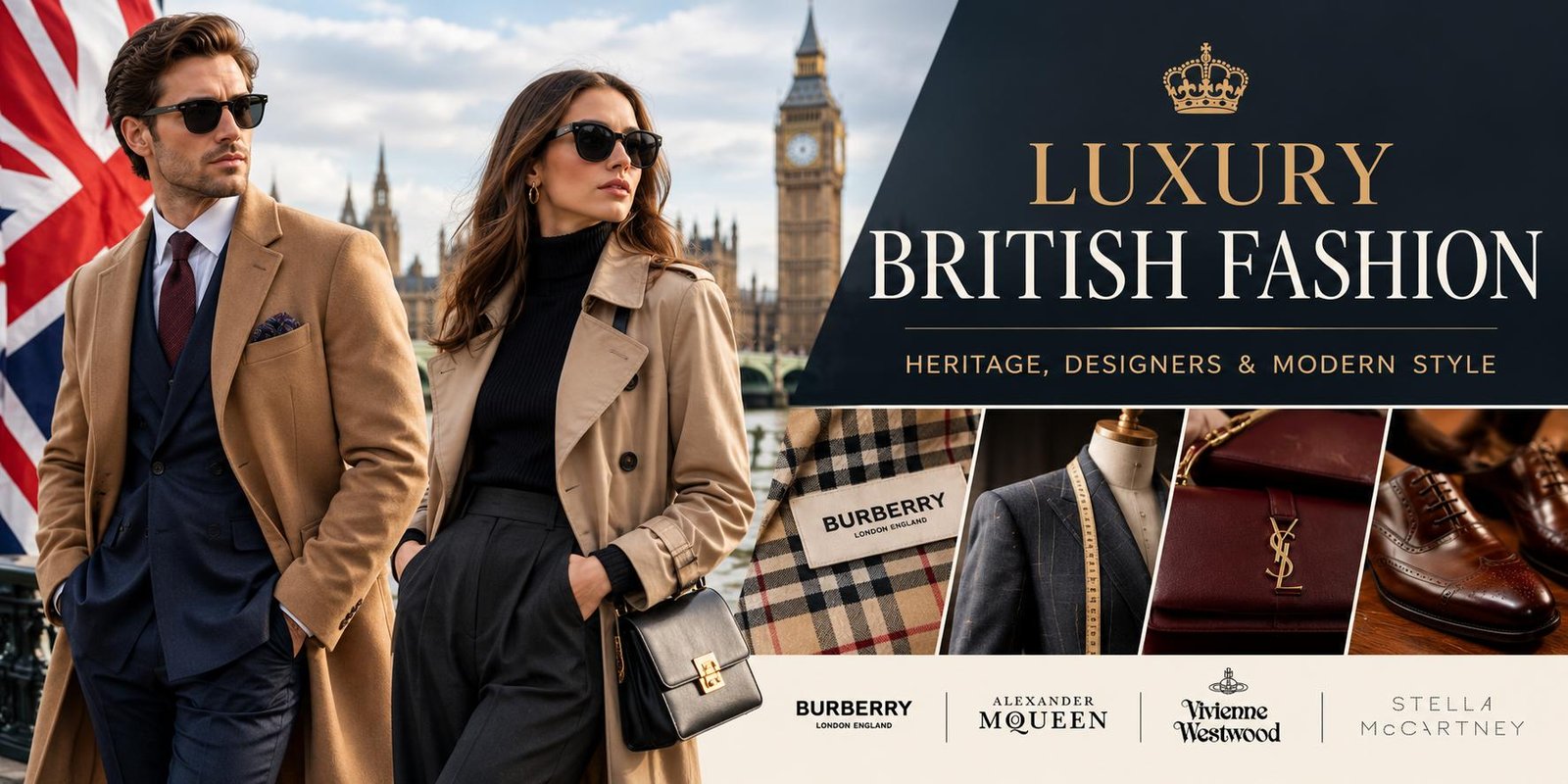
Luxury British Fashion: Heritage, Designers & Modern Style
Luxury British fashion is known for its strong heritage, careful tailoring, fine materials, and distinctive sense of style. From traditional British suits to modern designer clothing, the UK has created a fashion identity that combines history with fresh ideas.
British luxury does not depend only on expensive clothing. It is also about craftsmanship, detail, quality, and a clear design identity. That is why British fashion continues to attract shoppers, designers, celebrities, and fashion lovers around the world.
What Is Luxury British Fashion?
Luxury British fashion refers to high-end clothing and accessories created by British designers or brands with strong connections to British fashion culture.
This style often combines:
- High-quality fabrics
- Skilled tailoring
- Traditional craftsmanship
- Classic silhouettes
- Modern design
- Attention to small details
- Strong brand identity
British luxury can look formal and polished, but it can also be creative, rebellious, or experimental. This variety is one of the reasons British fashion remains influential.
Why Is British Fashion Considered Luxury?
British fashion has built its reputation over many years. London became an important center for tailoring, textile production, and creative design. Over time, British designers developed styles that became recognized around the world.
One major strength is craftsmanship. Luxury clothing often requires careful cutting, fitting, stitching, and finishing. These details can make a garment look better and last longer.
Another important factor is heritage. Many British fashion houses use traditional techniques while updating them for modern customers.
As a result, British luxury fashion can offer both history and innovation.
The Influence of British Tailoring
Tailoring is one of the most important parts of British fashion.
Classic British tailoring is often associated with structured jackets, sharp shoulders, fitted trousers, wool fabrics, and carefully designed silhouettes. These elements helped create the image of the well-dressed British gentleman.
However, modern tailoring is much more flexible.
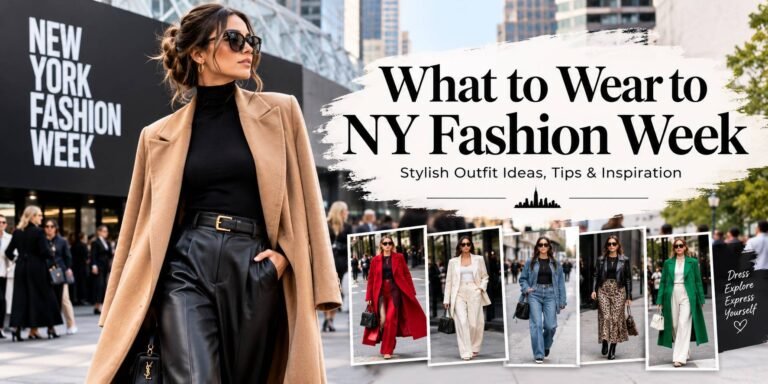
Today, designers may combine a traditional blazer with casual trousers, sneakers, knitwear, or simple accessories. Women’s fashion also uses tailoring in creative ways, including oversized jackets, fitted suits, waistcoats, and structured coats.
This balance between tradition and modern styling keeps British tailoring relevant.
Famous British Luxury Fashion Brands
The UK has produced many influential luxury fashion houses. Each brand has developed its own identity rather than following exactly the same design formula.
Burberry
Burberry is strongly connected with British outerwear and heritage style. The brand became widely known for its trench coats and distinctive check pattern.
Its history is closely linked with practical clothing designed for changing British weather. Over time, the brand developed into a global luxury fashion name.
The trench coat remains one of the clearest examples of how practical clothing can become a luxury fashion icon.
Alexander McQueen
Alexander McQueen became famous for combining strong tailoring with dramatic and artistic design.
The brand’s fashion often explores contrast. Beautiful craftsmanship may appear alongside bold shapes, dark themes, or unexpected details.
This creative approach helped establish the house as one of Britain’s most recognizable luxury fashion names.
Vivienne Westwood
Vivienne Westwood played an important role in connecting British fashion with punk and rebellious design.
Her work challenged traditional ideas about clothing and demonstrated that luxury fashion could also be provocative. Historical references, unusual proportions, and strong tailoring became important parts of her design language.
Her influence can still be seen in British fashion’s willingness to experiment.
Stella McCartney
Stella McCartney developed a luxury fashion identity with a strong focus on modern design and responsible fashion practices.
Her collections often combine clean shapes with practical styling. The brand has also helped keep discussions about animal-free materials and sustainability within the luxury fashion industry.
Burberry, McQueen and Other British Houses
These brands represent only a small part of the British luxury landscape. London is home to many designers and labels working across tailoring, eveningwear, accessories, street-influenced fashion, and experimental design.
The result is a fashion scene that is difficult to define with one single look.
British Fashion Heritage
Heritage is a major part of luxury British fashion.
British style has been influenced by many forms of traditional clothing, including:
- Tailored suits
- Trench coats
- Tweed jackets
- Wool coats
- Riding-inspired clothing
- Knitwear
- Formal shirts
- Classic leather accessories
These pieces have practical origins, but luxury designers have transformed them into sophisticated fashion products.
For example, a traditional wool coat can become a modern statement piece through its cut, fabric, buttons, and finishing.
London as a Luxury Fashion Center
London plays a central role in British fashion.
The city brings together designers, fashion schools, retailers, creative professionals, photographers, models, and international buyers. This combination creates an environment where traditional fashion businesses can exist alongside experimental designers.
London is also known for its contrast.
One street may feature classic tailoring while another area is filled with independent designers and unconventional street style. This mixture gives British fashion a creative character that is difficult to copy.
London Fashion Week and British Luxury
London Fashion Week provides an important platform for British designers.
The event helps designers present new collections to international audiences. It also highlights the range of British fashion, from established luxury houses to emerging creative talent.
Unlike a fashion scene based only on traditional luxury, London often encourages designers to experiment with shape, culture, technology, and social ideas.
Therefore, British luxury fashion is not simply about maintaining old traditions. It is also about creating new ones.
What Makes British Luxury Style Different?
British luxury style often has a balance between formal structure and individual expression.
A traditional British-inspired outfit might include a tailored coat, leather shoes, and a structured bag. However, a modern interpretation could add sneakers, denim, bold jewelry, or an oversized silhouette.
This flexibility makes British style useful for different generations.
Some common characteristics include:
1. Strong Tailoring
Structured clothing remains an important part of British style. A well-cut jacket can make a simple outfit look polished.
2. Quality Fabrics
Wool, cashmere, leather, cotton, and other premium materials are often associated with luxury clothing.
3. Neutral Colors
Black, navy, gray, brown, cream, and camel frequently appear in classic British wardrobes.
4. Heritage Details
Checks, tweed, traditional buttons, structured collars, and classic coat shapes can add a British feel.
5. Controlled Creativity
British designers often experiment with fashion without completely losing the importance of construction and craftsmanship.
Luxury British Fashion for Women
British luxury style for women can range from elegant dresses to modern tailoring.
A few popular outfit ideas include:
- Tailored blazer with wide-leg trousers
- Wool coat with ankle boots
- Knit dress with a structured handbag
- Classic trench coat with denim
- Tailored suit with minimal jewelry
- Midi skirt with a fitted knit top
The goal does not have to be an overly formal appearance. Instead, a polished piece can be combined with something relaxed.
For example, an expensive-looking blazer can work with a simple T-shirt and jeans. This creates a balanced outfit that feels modern rather than overly dressed.
Luxury British Fashion for Men
Men’s British luxury fashion has a strong relationship with traditional tailoring.
A modern wardrobe can include:
- Tailored suits
- Wool overcoats
- Oxford-style shirts
- Fine knitwear
- Leather shoes
- Chinos
- Structured blazers
- Classic watches
However, modern British menswear is not limited to formal clothing.
Relaxed tailoring, knitwear, sneakers, overshirts, and smart-casual combinations have become useful ways to make traditional pieces feel contemporary.
British Luxury Fashion and Craftsmanship
Craftsmanship is an important reason people buy luxury clothing.
A luxury garment may involve multiple stages of design and production. Pattern cutting, fabric selection, stitching, pressing, finishing, and quality inspection can all influence the final result.
Good craftsmanship can also improve the way a garment fits and moves.
For shoppers, this means looking beyond a brand name. Construction and material quality can be just as important as the logo on the product.
How to Create a British Luxury Look
You do not need a complete designer wardrobe to create a British-inspired outfit.
Start with one strong piece.
For example, choose a well-fitted blazer, trench coat, wool coat, or quality knit. Then build the rest of the outfit with simple pieces.
Easy Formula
One tailored piece + neutral basics + quality footwear + simple accessories
This formula works because the main luxury element receives attention without making the outfit look excessive.
You can also use texture to add depth. Wool, leather, suede, knitwear, and cotton can make a simple outfit more interesting.
Is Luxury British Fashion Only for Formal Occasions?
No. British luxury fashion can work for everyday clothing as well.
A trench coat can be worn with jeans. A tailored blazer can be paired with sneakers. A fine knit sweater can work with relaxed trousers.
This approach is especially useful for people who want a sophisticated wardrobe without wearing formal clothing every day.
The key is choosing versatile pieces that can be styled in several ways.
British Fashion and Sustainability
Sustainability is becoming an increasingly important topic across the fashion industry.
Luxury fashion has an interesting relationship with sustainability because quality garments can sometimes be designed for longer use. Buying fewer pieces and choosing durable clothing can reduce the need for frequent replacement.
Consumers can also make more thoughtful choices by considering:
- Material quality
- Product durability
- Repair options
- Secondhand shopping
- Brand transparency
- Responsible production practices
A timeless British-inspired wardrobe can support a slower approach to fashion because classic pieces can remain useful across multiple seasons.
How to Shop for Luxury British Fashion
Buying luxury clothing requires more thought than simply choosing the most expensive item.
Before purchasing, consider the following:
Check the Fabric
Read the material information. A good fabric can make a major difference in comfort, appearance, and durability.
Examine the Construction
Look at seams, buttons, lining, stitching, and finishing. These details can tell you more about quality than a logo.
Consider the Fit
Even a beautiful designer garment can look wrong if the fit does not suit your body.
Choose Versatile Pieces
A coat that works with dresses, trousers, and jeans may provide more value than a highly specific statement item.
Think Long Term
Ask whether you would still wear the item next year. A timeless design may offer better wardrobe value than a short-lived trend.
Luxury British Fashion vs. Fast Fashion
Luxury and fast fashion have very different approaches.
| Luxury British Fashion | Fast Fashion |
|---|---|
| Focuses on craftsmanship | Focuses on speed |
| Often uses premium materials | Often prioritizes low-cost production |
| Emphasizes brand heritage | Quickly follows trends |
| Can include timeless designs | Frequently changes collections |
| Usually costs more | Usually costs less |
| Often designed for longer use | Often encourages frequent purchases |
This does not mean every luxury product is automatically better or every affordable product is poor. Instead, shoppers should evaluate quality, construction, price, and intended use.
Key Takeaways
- Luxury British fashion combines heritage with modern design.
- British tailoring remains one of its strongest influences.
- London is an important center for British fashion creativity.
- Trench coats, tailoring, knitwear, and wool garments are common style references.
- British luxury can be formal, casual, traditional, or experimental.
- Craftsmanship and material quality are important factors when shopping.
- A few well-made pieces can create a polished wardrobe without excessive spending.
- Modern British fashion continues to evolve while keeping links to its heritage.
Frequently Asked Questions
What is luxury British fashion?
Luxury British fashion refers to high-end clothing and accessories connected with British designers, brands, craftsmanship, tailoring, and fashion heritage.
What is British fashion best known for?
British fashion is particularly known for tailoring, outerwear, heritage designs, creative experimentation, and strong individual style.
Which British brands are famous for luxury fashion?
Burberry, Alexander McQueen, Vivienne Westwood, and Stella McCartney are among the well-known British fashion names.
Is British fashion always formal?
No. British fashion includes formal tailoring as well as casual, street-inspired, contemporary, and experimental clothing.
How can I dress in a British luxury style?
Start with quality basics and add one structured piece such as a blazer, trench coat, wool coat, or tailored trousers. Neutral colors and simple accessories can complete the look.
Final Thoughts
Luxury British fashion stands out because it brings together history, craftsmanship, tailoring, and creative expression. Traditional British clothing has provided a strong foundation, but modern designers continue to reinterpret those ideas for new audiences.
For anyone building a sophisticated wardrobe, British style offers a useful lesson: quality does not always require excessive decoration. A well-made coat, sharp blazer, beautiful knit, or carefully chosen accessory can make a strong impression.
Ultimately, the appeal of British luxury fashion comes from its ability to respect the past while continuing to change. That combination gives British fashion a distinctive place in the global luxury industry.