
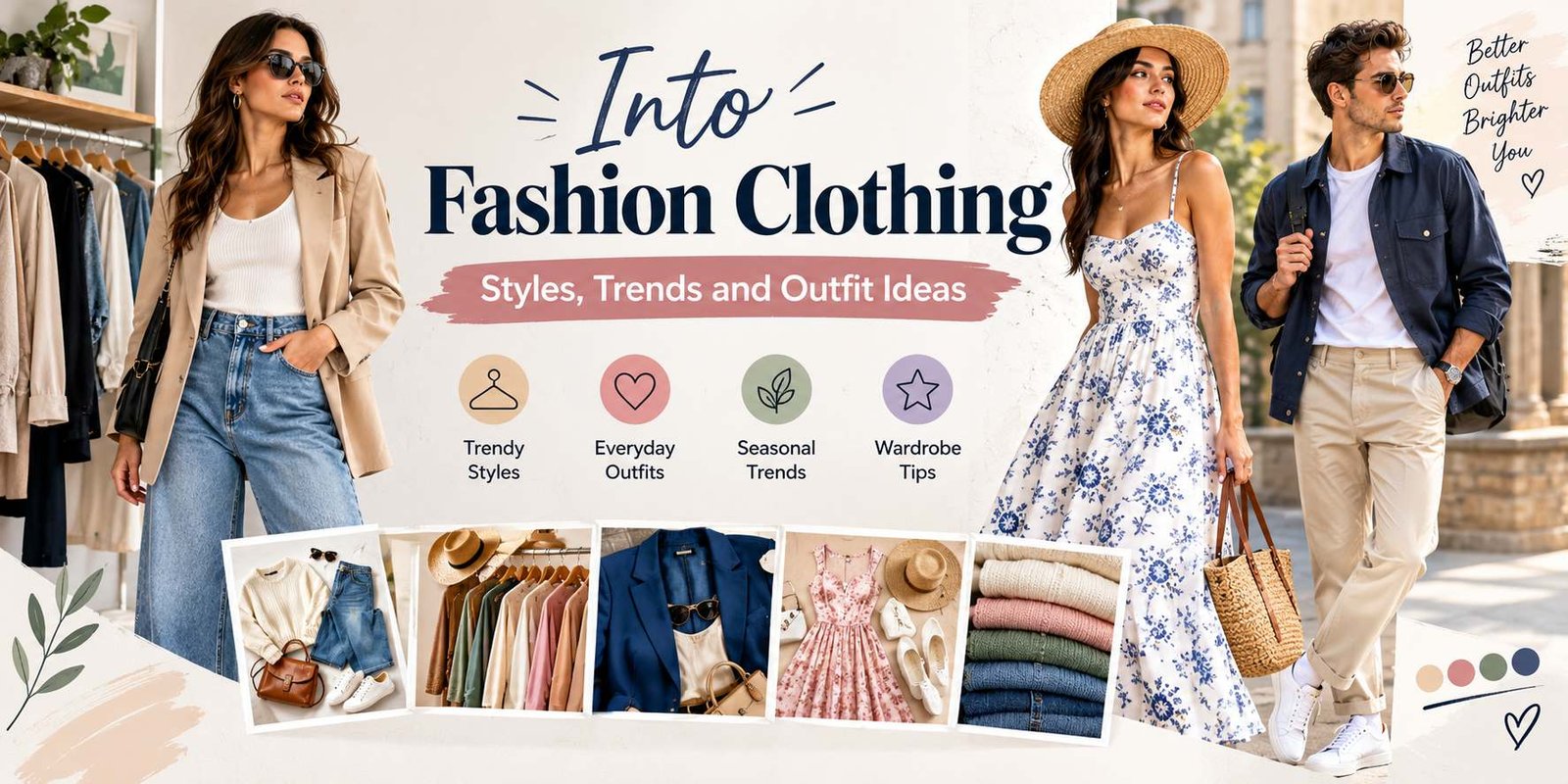
Into Fashion Clothing: Styles, Trends and Outfit Ideas
Into fashion clothing is about more than simply wearing new clothes. It is about finding garments that match your personality, lifestyle, comfort, and the way you want to present yourself. Fashion clothing can range from simple everyday basics to statement pieces designed for special occasions.
Today, shoppers have more choices than ever. Casual outfits, tailored clothing, streetwear, minimalist looks, vintage-inspired pieces, and seasonal collections all offer different ways to build a personal wardrobe.
What Is Into Fashion Clothing?
The phrase into fashion clothing can describe an interest in fashionable apparel and modern clothing styles. It includes the clothes people choose for daily life, work, social occasions, travel, celebrations, and other activities.
Fashion does not have one fixed definition. A person who prefers simple jeans and a clean shirt can be just as fashion-conscious as someone who enjoys bold prints and dramatic silhouettes.
The most useful approach is to choose clothing that works with your lifestyle instead of buying every trend that appears.
Why Fashion Clothing Matters
Clothing can influence how people feel about themselves and how they are perceived by others. A well-planned outfit can make someone feel comfortable, prepared, and confident.
Fashion clothing also gives people a simple way to express creativity. Colors, fabrics, shapes, patterns, and accessories can completely change the appearance of an outfit.
For many shoppers, clothing is also practical. The right pieces can make it easier to dress for changing weather, professional environments, travel, or everyday activities.
Popular Types of Fashion Clothing
Different clothing categories serve different purposes. Some of the most common include:
Casual Clothing
Casual fashion focuses on comfort and easy styling. Jeans, T-shirts, relaxed shirts, sweatshirts, simple dresses, sneakers, and casual jackets are common choices.
These pieces are useful because they can be mixed together without requiring much planning.
Workwear
Workwear is designed around professional settings. Depending on the workplace, it may include blazers, trousers, button-down shirts, knitwear, skirts, dresses, or polished shoes.
Neutral colors are often easy to combine, while one interesting accessory can add personality.
Occasion Wear
Special events often call for more refined clothing. Evening dresses, suits, tailored separates, formal shirts, elegant skirts, and dress shoes can all fall into this category.
The most suitable choice depends on the event, location, season, and dress code.
Streetwear
Streetwear combines casual clothing with a more expressive attitude. Oversized shirts, hoodies, relaxed trousers, sneakers, graphic pieces, and layered outfits are common examples.
The style can be changed easily by experimenting with proportions and accessories.
Seasonal Clothing
Fashion also changes according to weather and season. Lightweight fabrics work well during warm months, while coats, sweaters, boots, and layered pieces become useful in colder conditions.
A practical wardrobe should include pieces that can be adapted throughout the year.
How to Build a Stylish Wardrobe
You do not need a huge collection of clothing to create attractive outfits. A smaller wardrobe with versatile pieces can often provide more useful combinations.
Start with dependable basics such as:
- A well-fitting pair of jeans
- Neutral trousers
- Simple T-shirts
- A versatile shirt
- A lightweight jacket
- A comfortable sweater
- Everyday sneakers
- One pair of polished shoes
- A simple dress or smart outfit for occasions
Once these foundations are in place, statement pieces can be added to give the wardrobe more personality.
Choosing Clothes That Fit Your Style
Personal style develops through experimentation. Instead of copying an entire outfit from someone else, look for individual elements that you genuinely like.
For example, you might prefer:
- Clean and minimal clothing
- Romantic and feminine outfits
- Relaxed streetwear
- Classic tailoring
- Vintage-inspired fashion
- Sporty clothing
- Bold colors and patterns
Knowing what you naturally enjoy makes shopping easier and reduces unnecessary purchases.
The Importance of Fit
Even expensive clothing may not look right if the fit is uncomfortable or unsuitable. Fit affects the overall shape of an outfit and can make basic clothing appear much more polished.
Pay attention to shoulder placement, sleeve length, trouser length, waist fit, and overall movement.
Clothing should allow you to move comfortably. A good fit is not necessarily extremely tight or oversized; it should work with your body and the purpose of the garment.
Colors Can Transform an Outfit
Color is one of the easiest ways to change the mood of clothing.
Neutral shades such as black, white, beige, gray, navy, and brown are useful because they combine easily. Brighter colors can then be introduced through shirts, jackets, bags, shoes, or accessories.
If you are unsure about combining several colors, start with a neutral base and add one stronger shade.
Mixing Trends With Classic Pieces
Fashion trends can make a wardrobe feel current, but trends do not have to control every purchase.
A practical strategy is to combine one modern item with classic clothing. For example, an updated jacket can be worn with traditional denim. A fashionable top can be paired with simple trousers. Trend-driven shoes can also refresh an older outfit.
This approach helps clothing remain wearable after a particular trend becomes less popular.
How Accessories Improve Fashion Clothing
Accessories can change a simple outfit without requiring a completely new wardrobe.
Depending on your personal style, useful accessories may include:
- Watches
- Belts
- Sunglasses
- Handbags
- Scarves
- Jewelry
- Caps
- Hats
- Small shoulder bags
The key is balance. If your clothing already has bold patterns or strong details, simpler accessories may create a cleaner result.
Shopping Tips for Fashion Clothing
Before buying something new, consider how often you will actually wear it.
Ask yourself:
- Does it fit comfortably?
- Can I combine it with clothes I already own?
- Is the material suitable for the season?
- Does the style suit my lifestyle?
- Would I still want it without the current trend?
- Is the garment worth its price?
These questions can help prevent impulse purchases and encourage a more useful wardrobe.
Fashion Clothing and Personal Comfort
Comfort should not be treated as separate from style. Clothing that looks attractive but feels difficult to wear may spend most of its time in the closet.
Look for fabrics and cuts that suit your daily routine. Someone who walks frequently may prefer comfortable footwear and flexible trousers, while someone working in an office may need structured pieces.
The best wardrobe is one that supports your real life.
Sustainable Choices in Fashion
A thoughtful approach to clothing can also reduce unnecessary consumption.
Buying fewer pieces, selecting durable garments, repairing damaged clothing, and reusing older items can extend the life of a wardrobe. Secondhand shopping is another option for people who want to explore different styles without always purchasing new products.
Taking care of clothing also matters. Following washing instructions and storing garments properly can help them last longer.
How to Create Better Outfits
A good outfit does not have to be complicated. Start with one main piece and build around it.
For example, if you choose wide-leg trousers, pair them with a fitted or neatly tucked top. If you wear a statement jacket, keep the rest of the outfit relatively simple.
You can also create interest through contrast. Combining different textures, such as denim with knitwear or satin with structured tailoring, can make an outfit more visually interesting.
Final Thoughts
Into fashion clothing represents an interest in clothing that combines personal style, comfort, practicality, and current fashion ideas. There is no single formula for dressing well. The strongest wardrobe is usually one that reflects the wearer’s lifestyle rather than simply following every new trend.
Start with versatile clothing, pay attention to fit, experiment with color, and add trends gradually. With these simple principles, it becomes easier to create outfits that feel stylish while still being practical for everyday life.





One Comment