Cocktail Dresses: Styles, Shopping & Outfit Ideas
Getting dressed for a special event can be exciting, but finding an outfit that matches the occasion is not always easy. You may want something more polished than everyday clothing without choosing a gown that feels too formal. This is where cocktail dresses become a useful addition to a woman’s wardrobe.
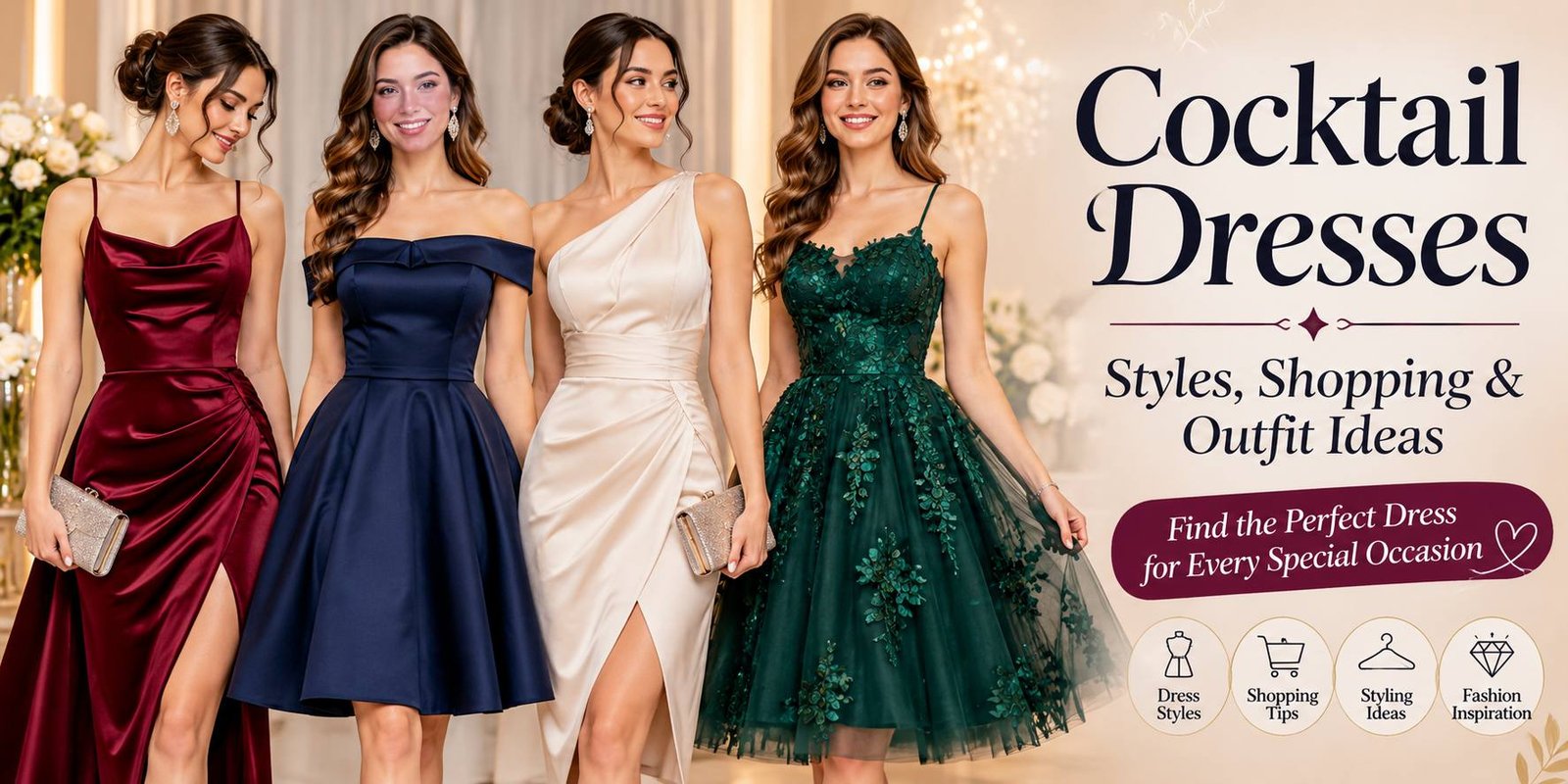
Cocktail dresses offer plenty of room for personal expression. Some feature clean lines and simple designs, while others include decorative sleeves, interesting necklines, textured fabrics, or colorful patterns. Their versatility makes them suitable for many celebrations, including birthday dinners, wedding receptions, holiday gatherings, and evening parties.
However, choosing a dress involves more than finding an attractive photograph online. The event’s dress code, location, weather, fabric, measurements, and comfort all deserve attention.
This guide explores the details that can help you select a beautiful cocktail outfit. You will discover different silhouettes, fabric choices, seasonal ideas, accessory combinations, and shopping considerations so you can make a decision that suits your needs.
What Makes Cocktail Dresses Different From Other Party Outfits?
Cocktail dresses occupy a space between casual party clothing and highly formal eveningwear. They usually have a refined appearance and are designed for social occasions where guests are expected to dress thoughtfully.
Unlike everyday dresses, these garments often use more decorative fabrics, structured tailoring, or carefully designed details. At the same time, they generally allow more movement and flexibility than traditional formal gowns.
The term does not describe one specific shape or length. A short dress with an elegant finish may qualify, while a sophisticated midi design can also fit the category.
Several features help distinguish this type of clothing:
- Event-focused design: The garment suits celebrations and social gatherings rather than ordinary daily activities.
- Flexible lengths: Hemlines may fall above the knee, around the knee, or below it.
- Varied construction: Designs can include fitted waists, flowing skirts, tailored bodices, or relaxed shapes.
- Decorative fabrics: Satin, velvet, lace, chiffon, and crepe frequently appear in occasionwear collections.
- Styling flexibility: The same dress may work for different events when paired with suitable accessories.
The most important consideration is the overall appearance of the outfit. A dress should reflect the formality of the invitation without making you feel uncomfortable.
2. Understanding Different Cocktail Dress Silhouettes
Before choosing a color or pattern, consider the shape of the garment. Silhouette influences how a dress moves, where it creates definition, and how comfortable it feels during an event.
Structured Sheath Dresses
A sheath dress follows a relatively straight line from the upper body toward the hem. It usually has a neat, tailored appearance and may include darts or seams that help shape the garment.
This design works well when you prefer clothing with clean details rather than a full skirt. It can be particularly useful for restaurant celebrations, professional receptions, and formal family gatherings.
A sheath dress can be styled with:
- Pointed-toe pumps.
- A small leather clutch.
- Simple gold or silver earrings.
- A fitted jacket for additional coverage.
When purchasing one, pay attention to the hip and waist measurements. The fabric should allow comfortable movement without pulling across the body.
Pleated Cocktail Dresses
Pleats introduce movement and texture into an otherwise simple outfit. Depending on their construction, they may run vertically through the skirt, appear around the waist, or cover the entire garment.
This style is worth considering when you want a dress with visual interest but prefer to avoid heavy decoration.
Fine pleats can create a delicate appearance, while wider folds give the garment a more structured finish.
Metallic accessories and simple footwear can complement a pleated design without distracting from its texture.
Asymmetrical Cocktail Dresses
Asymmetrical designs use uneven lines to create a distinctive appearance. The difference may appear in the neckline, shoulder construction, skirt length, or decorative fabric arrangement.
For example, one side of the skirt may fall slightly lower than the other. Another design might feature a single shoulder strap.
These garments can work especially well for evening celebrations where you want something different from traditional dress shapes.
Since the design already attracts attention, consider keeping the rest of the outfit understated.
Tiered Cocktail Dresses
Tiered dresses feature separate fabric layers arranged one above another. The layers can create volume, movement, and a softer appearance.
Lightweight versions may suit spring and summer gatherings, while structured fabrics can create a more dramatic look for evening events.
Check how the layers are attached and whether they add unnecessary bulk. Good construction helps the dress maintain its intended shape.
Shirt-Style Cocktail Dresses
A shirt-style dress combines elements of traditional shirting with the finish of occasionwear. Common features include collars, button fronts, cuffs, and waist belts.
Some versions use satin or structured fabric to create a more formal appearance.
This design is worth considering for daytime receptions, restaurant celebrations, and less traditional social events.
You can add heeled sandals, a small handbag, and delicate jewelry to make the outfit feel more suitable for an evening gathering.
3. Choosing the Right Cocktail Dress Color
Color selection can make a noticeable difference to the final outfit. Rather than choosing a shade simply because it is popular, think about the event, season, accessories, and colors you enjoy wearing.
Deep Burgundy Dresses
Burgundy offers a rich alternative to traditional black. Its deeper tone makes it a particularly interesting option for autumn and winter celebrations.
You can combine this shade with:
- Champagne-colored heels.
- Gold earrings.
- A black evening clutch.
- A neutral coat.
A burgundy dress can work for anniversary dinners, holiday celebrations, and evening receptions.
Chocolate Brown Dresses
Brown has become an interesting option for women who prefer earthy colors over traditional party shades. Chocolate, espresso, and warm caramel tones can create a sophisticated outfit.
Satin and structured crepe are useful fabric choices for this color.
Try pairing a brown dress with cream accessories, gold jewelry, or neutral footwear. These combinations can create a warm appearance without introducing too many competing shades.
Royal Blue Dresses
Royal blue offers a noticeable color choice without relying on bright red or metallic finishes.
It can work particularly well for evening celebrations, birthday parties, and formal dinners.
Silver accessories provide a cool contrast, while nude footwear creates a more understated combination.
White and Cream Dresses
Cream and ivory dresses offer a clean, refined appearance. They may be suitable for birthdays, dinner events, and certain summer celebrations.
However, be careful when choosing these colors for weddings. Some couples prefer guests to avoid white, ivory, and similar bridal-looking shades.
Printed Cocktail Dresses
Prints offer an alternative to plain-colored clothing. Floral patterns, abstract artwork, geometric details, and subtle textured designs can make an outfit feel distinctive.
When selecting a printed dress, consider the size and placement of the pattern. Large prints create a different effect from small repeating designs.
If your dress already contains several colors, simple shoes and a neutral handbag can help keep everything balanced.
4. Selecting a Cocktail Dress According to the Event
A beautiful outfit should also make sense for the occasion. The same design may feel appropriate at one celebration but unsuitable at another.
For Restaurant Dinners
A restaurant dinner usually allows more flexibility than a traditional formal event.
A midi dress, a simple fitted design, or a sophisticated shirt-style dress can be suitable choices.
Think about the restaurant’s atmosphere. A luxury dining room may call for polished footwear and refined accessories, while a relaxed restaurant might allow a simpler outfit.
For Graduation Celebrations
Graduation events often involve photographs, walking, and spending time with family and friends.
A comfortable knee-length or midi dress can be a practical choice. Avoid selecting something that requires constant adjustment, especially if the event includes an outdoor ceremony.
You may also want to consider the weather and whether the venue requires walking across grass or stairs.
For Anniversary Celebrations
An anniversary dinner can be a good opportunity to wear a dress with a more refined finish.
Satin, lace, crepe, and velvet are possible choices depending on the season.
A simple neckline, elegant earrings, and a compact handbag can complete the outfit without making it look overly decorated.
For Charity Events and Fundraisers
Some charity dinners and fundraising events request cocktail attire, although the level of formality can vary.
Read the invitation carefully. A structured midi dress or elegant knee-length design may be appropriate for a traditional cocktail dress code.
If the event includes a formal dinner or evening program, choose footwear and accessories that match the setting.
5. Finding the Right Cocktail Dress Fabric
Two dresses with similar shapes can look completely different because of their materials. Fabric affects the garment’s movement, surface, structure, and care requirements.
| Material | Main quality | What to consider |
|---|---|---|
| Satin | Smooth surface and shine | Can show wrinkles |
| Crepe | Refined, textured finish | Check thickness and drape |
| Chiffon | Lightweight and flowing | Often needs lining |
| Velvet | Soft, rich texture | Requires careful storage |
| Lace | Decorative pattern | Check lining and construction |
| Tulle | Light, layered appearance | Can require delicate care |
| Jersey | Stretch and flexibility | Quality varies by composition |
Understanding Fabric Composition
A fabric name does not always tell you everything about a garment.
For example, satin describes a type of weave and finish rather than one specific fiber. A satin dress may contain polyester, silk, or another material.
Likewise, chiffon can be produced using different fibers.
Read the product label or retailer’s description to understand the actual composition. This information can help you evaluate breathability, maintenance, and expected feel.
Check the Construction
Before buying, look beyond the outer fabric.
Inspect the seams, zippers, buttons, lining, and closures. These features influence how the garment fits and how easily you can wear it.
If shopping online, examine close-up product photographs whenever possible.
6. How to Find a Comfortable and Flattering Fit
A dress can have an attractive design but still fail to meet your needs if the fit is uncomfortable.
Instead of relying on general fashion rules, look at how the garment fits your own measurements and preferences.
Check the Shoulder and Bust Area
Shoulder seams should sit appropriately for the garment’s design. Straps should remain secure without digging into your skin.
If the bust area feels too tight, the garment may pull around the zipper or create unwanted fabric tension.
Consider the Waist Placement
Different dresses place their waist seams in different positions.
Some sit at the natural waist, while others use a raised waistline or a relaxed shape.
Choose the construction that feels comfortable and creates the appearance you prefer.
Examine the Skirt Movement
Try walking, sitting, and taking a few steps in the dress.
A fitted skirt should not prevent normal movement. A fuller skirt should also feel manageable when you sit or move through crowded spaces.
Think About Undergarments
The neckline, back design, straps, and fabric can influence which undergarments work best.
For example, an open-back dress may require a different solution from a traditional sleeveless design.
Check these details before an event rather than waiting until the last minute.
7. Cocktail Dress Styling Ideas for Different Seasons
Seasonal changes influence more than color. They also affect fabric weight, sleeve length, footwear, and outerwear.
Spring Occasionwear
Spring celebrations often involve garden parties, daytime receptions, and outdoor gatherings.
Consider:
- Floral midi dresses.
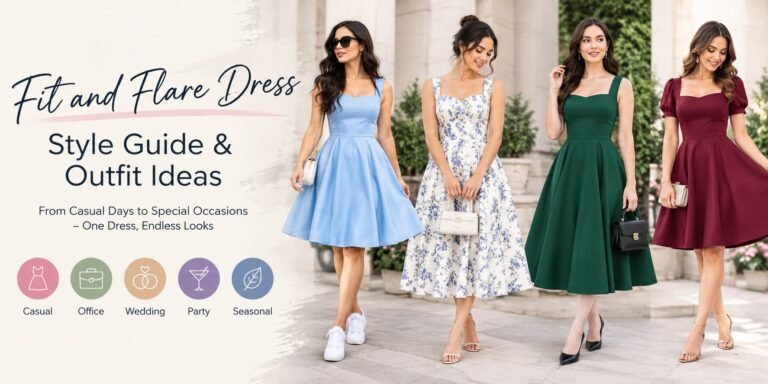
- Pastel fit-and-flare designs.
- Lightweight crepe dresses.
- Soft-colored accessories.
- Comfortable block heels.
A lightweight jacket can also help when temperatures drop in the evening.
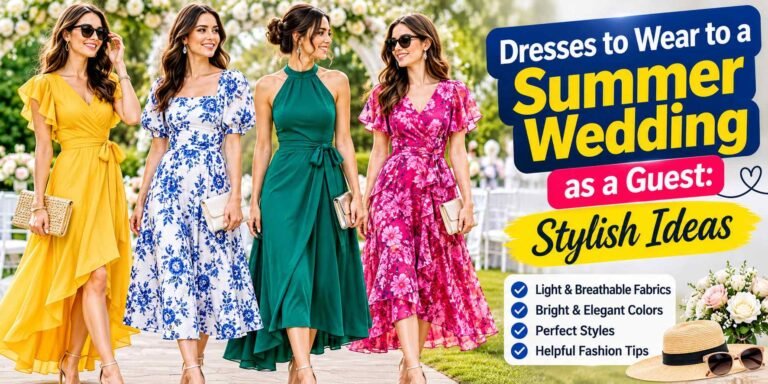
Summer Party Outfits
Warm weather makes breathable materials and practical designs particularly important.
Sleeveless dresses, lightweight chiffon, and relaxed silhouettes can work well.
For outdoor celebrations, think about footwear before choosing the final outfit. A narrow heel may be inconvenient on grass or uneven surfaces.
Fall Evening Fashion
Autumn provides an opportunity to experiment with richer shades and more substantial materials.
Burgundy, dark green, chocolate, plum, and navy can all create attractive seasonal combinations.
Long sleeves, velvet, and structured crepe are useful choices when temperatures become cooler.
Winter Celebration Clothing
Winter cocktail outfits often benefit from additional layers.
A velvet dress, lined midi design, or long-sleeve silhouette can provide a more seasonally appropriate appearance.
Consider a tailored coat, closed-toe shoes, and accessories that complement the dress without overwhelming it.
8. Accessories That Make a Cocktail Outfit Complete
Accessories should support the dress rather than compete with it. A few carefully selected pieces can make an outfit feel more coordinated.
Choosing Earrings and Necklaces
The neckline of your dress can help determine which jewelry works best.
For example, a high-neck dress may look better with earrings instead of a necklace. A simple V-neck design can provide space for a delicate pendant.
You can also consider:
- Pearl earrings for a classic appearance.
- Gold hoops for a modern outfit.
- Silver drop earrings for eveningwear.
- Delicate bracelets for sleeveless dresses.
- Minimal necklaces for simple necklines.
Selecting an Evening Handbag
A handbag should look appropriate for the event and hold your essential belongings.
Small clutches are popular for evening celebrations, while compact shoulder bags offer more convenience.
Think about the material as well. Satin, leather, metallic finishes, and decorative surfaces can all work with occasion wear.
For additional inspiration, explore : handbag styles and fashion accessories .
Choosing the Right Footwear
Your footwear should complement the dress and suit the location.
Consider these combinations:
| Dress style | Footwear suggestion |
|---|---|
| Satin midi | Strappy heels |
| Lace dress | Classic pumps |
| Short party dress | Elegant sandals |
| Velvet dress | Closed-toe heels |
| Floral dress | Neutral block heels |
| Minimalist dress | Pointed-toe shoes |
You should never choose uncomfortable footwear simply because it looks attractive. Consider the length of the event and how much walking or standing it involves.
9. Smart Shopping Tips Before Buying Cocktail Dresses
Shopping for occasionwear can become expensive when you purchase something without considering how often you will use it.
A little preparation can help you avoid unnecessary spending.
Compare More Than One Retailer
Different retailers offer different cuts, materials, sizing systems, and price ranges.
Compare product descriptions rather than relying entirely on photographs. Look for information about the fabric, lining, measurements, and available colors.
Read the Return Policy
Online clothing photographs do not always show how a garment will look or feel in person.
Before ordering, check:
- Whether returns are accepted.
- How long you have to return an item.
- Whether return shipping costs money.
- Whether sale items have different conditions.
- Whether exchanges are available.
These details are particularly important when ordering an outfit for a specific event.
Consider the Cost of Alterations
A dress may need a small adjustment to the hem, straps, or waist.
Include possible tailoring expenses in your budget, particularly when purchasing a more expensive garment.
Think About Future Wear
Ask yourself whether the dress could work for more than one occasion.
A simple black, navy, or burgundy design may be easier to style differently than a highly decorated outfit intended for one particular celebration.
You can change its appearance through shoes, handbags, jackets, and jewelry.
Check Care Instructions
Some fabrics require professional cleaning or careful handling.
If you prefer low-maintenance clothing, consider this before purchasing velvet, delicate lace, or garments with extensive embellishments.
A beautiful outfit should also be practical to maintain.
10. Building a Small Occasionwear Wardrobe
You do not need a large collection of dresses to prepare for different celebrations.
A few carefully selected designs can provide useful options throughout the year.
Here is one possible starting point:
| Wardrobe piece | Why it is useful |
|---|---|
| Black midi dress | Suitable for many evening occasions |
| Colorful party dress | Adds variety to celebrations |
| Neutral structured dress | Works for polished social events |
| Lightweight summer dress | Useful for warm-weather gatherings |
| Long-sleeve occasion dress | Provides a cooler-weather option |
This is not a strict shopping list. Your collection should reflect the events you actually attend.
For example, someone who frequently attends summer weddings may prefer more lightweight designs, while another person may get greater use from velvet and long-sleeve dresses.
The goal is to own clothing that serves a real purpose rather than filling your closet with items you rarely wear.
11. Fashion Mistakes to Avoid When Selecting Occasionwear
A few common shopping habits can make it harder to find an outfit you enjoy wearing.
Buying too close to the event: Leaving shopping until the final days can limit your size, color, and alteration options.
Ignoring the dress code: A party dress may not be suitable for a traditional cocktail reception or professional celebration.
Choosing fabric without checking its composition: Similar-looking materials can have very different qualities and care requirements.
Selecting accessories before the dress: It is usually easier to coordinate accessories after deciding on the main outfit.
Following every fashion trend: A popular design may not suit your preferences or the occasion.
Forgetting about movement: Always consider how the garment behaves when sitting, walking, and dancing.
Overlooking practical details: Closures, straps, lining, and return policies deserve attention before making a purchase.
12. Frequently Asked Questions About Cocktail Dresses
What length should a cocktail dress be?
Cocktail dresses commonly fall above the knee, around the knee, or below it at midi length. There is no single required measurement. The appropriate length depends on the invitation, event, and personal preference.
Can I wear a cocktail dress during the daytime?
Yes. A simple design in a suitable fabric can work for daytime receptions, celebrations, and special lunches. Lighter colors and less dramatic embellishments may be appropriate for these occasions.
Are cocktail dresses suitable for semi-formal events?
Yes. Cocktail attire is commonly associated with semi-formal social events. However, some invitations use the term more specifically, so check the host’s instructions before choosing your outfit.
What is the difference between a party dress and a cocktail dress?
A party dress is a broad category that includes many types of celebration clothing. A cocktail dress generally has a more polished appearance and is intended for occasions with a semi-formal dress expectation.
Can I wear flats with a cocktail dress?
Absolutely. Elegant flats can complement many dress designs. Look for refined materials, neat construction, and a style that suits the occasion. Comfort is more important than wearing heels.
Which cocktail dress colors are suitable for evening events?
Black, navy, burgundy, emerald, royal blue, and metallic shades are popular options. However, the best color depends on the season, event, and your personal preferences.
How can I make an affordable cocktail dress look elegant?
Pay attention to fit, fabric condition, and styling. Clean footwear, a coordinated handbag, and carefully chosen jewelry can improve the overall appearance without requiring an expensive designer outfit.
Can I wear a cocktail dress to a wedding reception?
Yes, provided it matches the requested dress code. Choose an appropriate color and design, and avoid bridal-looking outfits. Consider the location, weather, and cultural preferences of the couple.
Conclusion
Choosing an outfit for a special event does not have to involve complicated fashion rules. The most useful approach is to understand the occasion, explore different silhouettes, and select materials that suit the season and your comfort preferences.
From structured sheath designs and pleated skirts to colorful midi outfits and elegant satin creations, there are many ways to approach cocktail dressing.
Before making a purchase, check the measurements, fabric composition, return conditions, and styling possibilities. These small details can make a significant difference to your shopping experience.
Most importantly, choose clothing that feels natural to wear. An outfit should allow you to enjoy the celebration, move comfortably, and express your personal taste.