
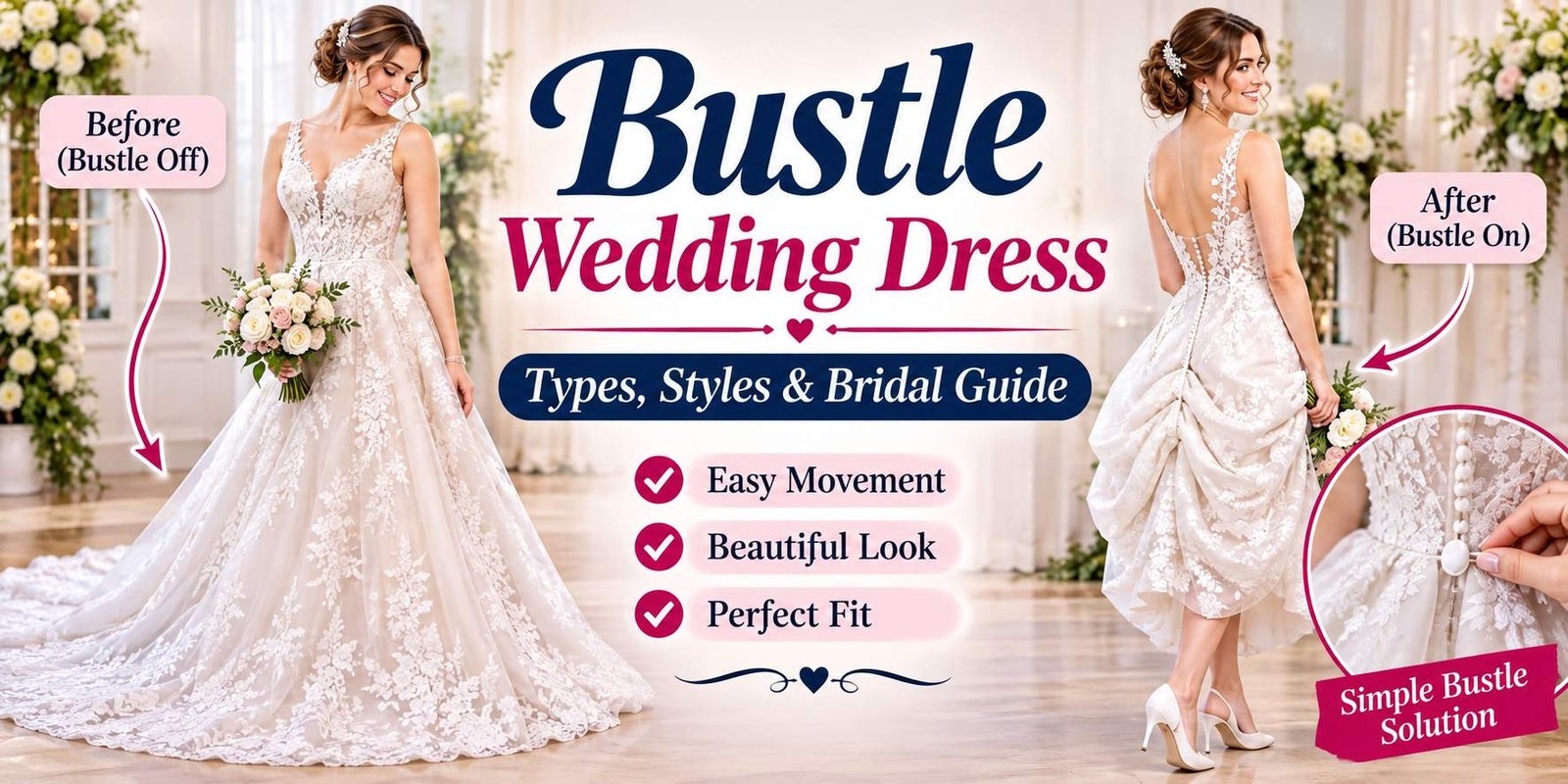
Bustle Wedding Dress: Types, Styles & Bridal Guide
A bustle wedding dress offers a practical way to solve this problem. It allows the extra fabric at the back of the gown to be lifted and secured without changing the main design of the dress. This makes it easier to walk between tables, greet guests, and enjoy the dance floor.
Bridal bustles come in several designs. Some create soft folds on the outside of the skirt, while others hide the train underneath. The choice depends on the gown’s shape, fabric, weight, and overall appearance.
Many brides do not think about the bustle when they first choose their wedding dress. However, it is an important detail that deserves attention before the final fitting.
This guide explains how wedding dress bustles work, the different styles available, how to choose the right option, and what to discuss with a bridal seamstress.
Understanding the Purpose of a Wedding Dress Bustle
A wedding dress bustle is an alteration that gathers the train and holds it in a raised position. It uses small fasteners, such as buttons, hooks, loops, or ribbons, to keep the extra fabric away from the floor.
The train is usually left loose during the ceremony. This allows the full length of the gown to show as the bride walks down the aisle.
Later, the train can be lifted before the reception or dancing. The result is a dress that is easier to move in without removing or changing the gown.
A bustle is not a separate garment or an additional skirt. It is a custom arrangement made using the existing fabric of the wedding dress.
The seamstress decides where to place each fastening point. This decision matters because the weight of the train must be supported without pulling the skirt out of shape.
How Does a Wedding Dress Bustle Work?
A bustle works by connecting selected sections of the train to other parts of the gown.
For example, a seamstress may attach a small button near the back of the skirt and create a matching loop underneath the train. When the loop is placed over the button, that section of fabric rises from the floor.
Larger dresses may need several connections. These points work together to spread the weight across the back of the gown.
The exact process depends on the chosen design.
A well-made bustle should:
- Keep the train away from the floor.
- Support the fabric without pulling it unevenly.
- Allow the bride to walk comfortably.
- Stay secure during normal movement.
- Match the shape of the original gown.
The fastening system should also be easy enough for a trusted helper to manage. This is especially important when the bride is preparing to enter the reception.
Different Types of Bustle Wedding Dress Designs
There is no single bustle method that works for every wedding gown. Each style creates a different shape and uses a different way to support the train.
Understanding these designs can make your alteration appointment much easier.
1. American Bustle: A Raised and Gathered Back
The American bustle is one of the well-known ways to lift a wedding dress train.
In this method, the train is attached to the outside of the skirt. Small buttons or hooks hold selected sections of fabric in place.
The finished gown often has visible folds running down the back. These folds can add extra detail to the dress instead of making the train disappear completely.
This design may suit brides who want their gown to retain a full appearance during the reception.
Best suited to:
- Certain A-line gowns
- Ball gowns
- Dresses with medium or long trains
- Bridal designs that look attractive with gathered fabric
The number of fastening points depends on the amount of material that needs support. A heavier train may require more connections than a lightweight one.
2. French Bustle: Hidden Support Under the Skirt
A French bustle uses a different approach.
Rather than lifting the train over the outside of the skirt, the fabric is secured underneath. Ribbons or ties connect different sections and create soft folds.
This arrangement can produce a more natural-looking back because the fastening points are less visible from the outside.
French bustles are often considered for dresses with flowing skirts and romantic details.
The seamstress must carefully arrange the folds. If the fabric is not distributed evenly, one side may hang lower than the other.
This method is worth discussing if you prefer a gathered appearance without obvious buttons on the back of your gown.
3. Ballroom Bustle: A Smooth Reception Look
Some brides want their wedding gown to look almost the same length all around after the train is lifted.
A ballroom bustle is designed with this goal in mind.
The extra fabric is arranged underneath the skirt, creating a smooth outer appearance. When completed correctly, the gown can look like it was originally designed without a long train.
This method may require detailed work because the fabric must be distributed carefully.
It can be a good option for brides who prefer a neat silhouette during the reception.
However, the design may not be suitable for every dress. The seamstress needs to check how much fabric is available and how the original skirt is constructed.
4. Austrian Bustle: Soft Gathered Details
An Austrian bustle uses cords or ribbons to gather the train into a series of folds.
When the fastening system is adjusted, the fabric rises and creates a decorative pattern along the back.
This approach can give a wedding gown a distinctive appearance.
It may be considered for certain dresses with soft, flowing materials. However, it requires careful planning because the gathers need to look balanced.
Brides interested in this style should ask to see photographs of completed gowns before choosing it.
5. Victorian-Inspired Bustle
Historical bridal fashion offers another source of inspiration.
Victorian-inspired bustles create extra fullness around the back of a skirt. The fabric is lifted and arranged to produce a dramatic shape.
This look is different from a simple method of hiding a train. Instead, the raised fabric becomes part of the overall design.
It may appeal to brides choosing vintage-inspired gowns, formal ball gowns, or dresses with historical details.
A seamstress can help determine whether the existing gown has enough fabric and structure to support this look.
6. Wrist Loop for Temporary Train Control
A wrist loop is a small fabric or ribbon loop attached to the train.
The bride places it around her wrist to hold the train while walking.
This is not the same as a traditional bustle because the train is not permanently attached to the skirt in a raised position.
Nevertheless, it can be useful for short periods when the bride needs to move through a crowded space.
One drawback is that the bride must keep her hand occupied. Therefore, a wrist loop may not be the most convenient choice for a long reception.
Which Bustle Works Best With Different Wedding Dress Shapes?
The shape of the gown plays an important role in choosing a bustle. A style that works beautifully on a full ball gown may not create the same result on a fitted mermaid dress.
Here are some design combinations worth discussing with your seamstress.
Bustle Options for A-Line Wedding Dresses
An A-line gown has a fitted upper section and a skirt that widens gradually toward the hem.
Its shape offers several possibilities for train alterations.
An American bustle can create decorative folds at the back. Meanwhile, a French bustle may keep the outer skirt looking softer and less structured.
The fabric also matters. A lightweight A-line dress may need a different arrangement from one made with thick satin.
Bustle Options for Ball Gowns
Ball gowns usually have large skirts with plenty of fabric.
This fullness can make them suitable for several bustle arrangements.
A ballroom bustle may create a smoother appearance, while an American bustle can preserve some of the skirt’s gathered detail.
The main concern is supporting the weight of the train. The fastening system must hold the fabric without placing too much pressure on a single point.
Bustle Options for Mermaid Dresses
Mermaid gowns follow the body closely before opening around the lower legs.
Their narrow shape means that train placement needs extra attention.
The seamstress must arrange the fabric in a way that does not disturb the original silhouette.
Multiple fastening points may be needed, depending on the train’s length and weight.
Bustle Options for Lace Wedding Dresses
Lace gowns often contain delicate patterns, embroidered flowers, and decorative edges.
These details should remain attractive after the train is raised.
A bustle should not pull on delicate lace or place unnecessary stress on decorative sections.
For this reason, the seamstress should examine the lace pattern before deciding where to attach the fasteners.
Bustle Options for Satin Gowns
Satin has a smooth surface that can make small folds and stitching more noticeable.
The placement of buttons and loops should be planned carefully.
Some brides prefer a hidden arrangement because they want the back of the dress to remain clean and simple.
A fitting will help show which method creates the most balanced appearance.
How to Choose the Right Bustle for Your Wedding
The best bustle is not always the most decorative one. It should suit the gown and work with the activities planned for your wedding day.
Consider these points before approving an alteration.
Think About Your Train
Start by looking at the length and weight of the train.
A short train may need only a simple arrangement. However, a longer design can require several fastening points.
Ask your seamstress to explain how the fabric will be supported once it is lifted.
Consider the Fabric
Different materials behave in different ways.
Chiffon is light and flowing, while heavy satin may need stronger support. Lace and beaded fabrics also require careful handling.
The bustle should lift the train without creating unwanted tension.
Decide How You Want the Back to Look
Some brides like visible folds because they add texture to the gown.
Others prefer the train to disappear under the skirt.
Look at photographs of different bustle arrangements and choose the appearance that matches your personal taste.
Consider Your Reception Activities
Your wedding schedule may include several hours of dancing, photographs, and movement between guests.
If you expect an active reception, a secure and comfortable bustle is especially important.
Tell your seamstress about your plans so the alteration can be tested for normal movement.
Ask About Repair Options
Fasteners can sometimes come loose.
Ask whether spare buttons, hooks, or ribbons can be provided. It is also helpful to know what to do if one connection becomes detached during the reception.
When Should You Have Your Wedding Dress Bustled?
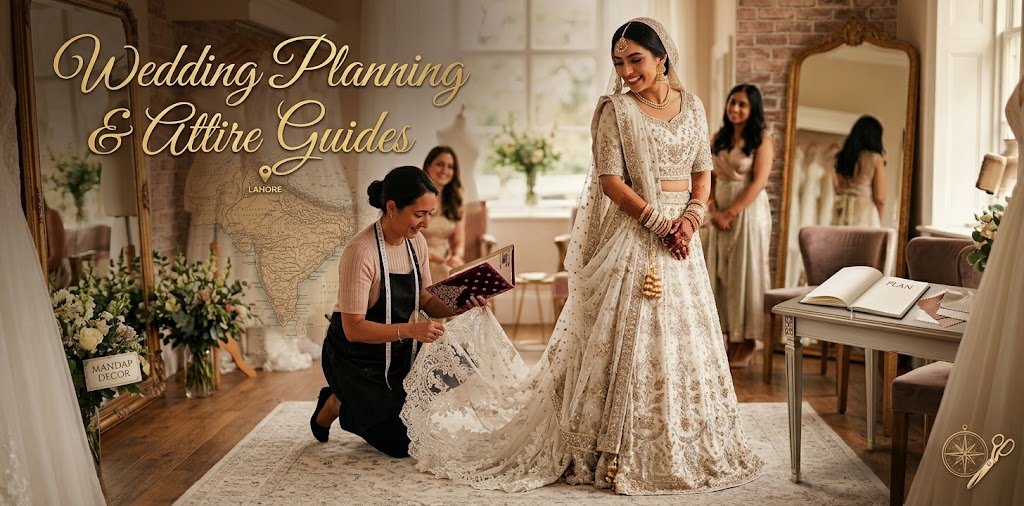
The bustle is normally used after the ceremony, once the bride no longer needs the full train for walking down the aisle.
Some brides prefer to keep the train extended during formal photographs. Others choose to lift it before taking pictures at the reception.
There is no fixed rule.
The best time depends on your photography schedule, reception entrance, and personal preference.
A simple wedding-day plan could look like this:
- Keep the train extended during the ceremony.
- Take photographs with the original dress shape.
- Find a suitable place for the bustle adjustment.
- Ask your helper to secure each fastening point.
- Walk around and check that the fabric stays in place.
Allow enough time for this change. Rushing through the process can lead to missed fastenings or uneven folds.
What Happens During a Bustle Fitting?
A bustle fitting is an important part of wedding dress alterations.
During this appointment, the seamstress examines the train and decides where the fastening points should go.
You should have an opportunity to see the proposed design before it is completed.
Here is what usually happens.
The Seamstress Examines the Gown
First, the dress is placed in its correct position.
The seamstress checks the train, skirt construction, seams, and fabric weight.
This helps determine which bustle method is suitable.
Different Fastening Points Are Tested
Next, the fabric may be temporarily lifted and pinned.
This allows you to see how different arrangements change the back of the dress.
Take your time when comparing the options.
The Final Position Is Adjusted
Once you select a style, the seamstress can adjust the placement of buttons, hooks, or ribbons.
The goal is to create an even shape that supports the train properly.
You Test the Finished Design
After the bustle is completed, try walking and turning.
Also, sit down and stand up to see whether the fabric remains comfortable.
If anything feels too tight or uneven, discuss it before the final fitting ends.
What Should You Bring to Your Bustle Appointment?
Preparing for the appointment can save time and help you get a more accurate result.
Bring the items you expect to use on your wedding day.
These may include:
- Your wedding shoes
- The undergarments you plan to wear
- Any special accessories that affect the dress
- Photographs of bustle styles you like
- Your wedding-day schedule, if available
Your shoes are particularly important because they affect the dress length.
Also, tell the seamstress if you expect to dance a lot or move around frequently during the reception.
How to Teach Someone to Secure Your Wedding Dress Bustle
A bustle may be difficult to manage without practice, especially when several fastening points are involved.
Choose one trusted person to learn the process before your wedding.
This could be a bridesmaid, family member, or wedding planner.
Start by showing them where each button, hook, or ribbon is located.
Then demonstrate how the fabric should be lifted and connected. Some dresses require a particular order, so make sure your helper understands the arrangement.
A few useful steps include:
- Lay out the dress carefully so the train is easy to reach.
- Find all the matching fasteners.
- Lift the fabric without pulling on delicate details.
- Connect each fastening point as instructed.
- Check both sides of the dress for an even finish.
- Ask the bride to walk before leaving the fitting area.
Take photographs of the completed bustle from different angles. These pictures can serve as a useful reference on the wedding day.
Common Problems With Wedding Dress Bustles
Even a carefully planned bustle may need attention during a long celebration.
Knowing the possible problems can help you prepare.
One Side Hangs Lower Than the Other
This may happen when the fabric is not connected correctly or the weight is unevenly distributed.
Check the fastening points and follow the seamstress’s instructions.
A Button Comes Loose
Buttons can become detached if they are under too much pressure.
Ask your seamstress to check the stitching and provide a suitable repair plan.
The Train Touches the Floor
If the bustle is not raised enough, part of the train may continue dragging.
The arrangement may need to be adjusted during the fitting.
The Dress Feels Too Tight
A bustle should not make the skirt uncomfortable.
If the fabric pulls when you walk or sit, ask the seamstress to review the fastening position.
The Folds Look Uneven
Some bustle styles require careful fabric placement.
A helper should follow the same order used during the fitting rather than attaching the fasteners randomly.
How Much Does a Bustle Wedding Dress Alteration Cost?
The cost of adding a bustle depends on the amount of work involved.
A simple arrangement with a few fastening points may be less expensive than a detailed design for a heavy train.
Other factors can affect the final price:
- Length of the wedding dress train
- Fabric weight
- Number of fastening points
- Amount of hand stitching
- Lace, beads, or embroidery
- Local alteration rates
- Seamstress experience
Some bridal shops include bustle work in their alteration packages. Others list it as a separate service.
For an accurate price, show the actual dress to a professional seamstress and request a written estimate.
It is better to discuss this cost before approving the full alteration work.
Can You Have a Wedding Dress Bustle Removed or Changed?
In many cases, bustle fasteners can be removed or altered by a professional.
However, the result depends on how the original alteration was completed.
Small stitching marks may remain, especially if buttons or hooks were attached directly to the gown.
If you plan to preserve your dress for future use, discuss the alteration with a bridal specialist before making changes.
This is particularly important for gowns with delicate lace, handmade details, or expensive fabric.
How to Care for Your Wedding Dress After the Reception
After a long wedding day, your gown may have dust, makeup marks, or stains around the lower part of the skirt.
The first step is to avoid unnecessary handling.
Do not rub a stain or use a cleaning product without checking whether it is suitable for the fabric.
Instead, speak with a professional wedding dress cleaner.
Once the gown has been cleaned, it should be stored in a dry and suitable place.
A proper preservation box or approved garment bag can help protect the fabric.
Also, avoid placing heavy objects on top of the dress.
Good storage helps keep the gown in better condition for years to come.
Frequently Asked Questions About Bustle Wedding Dresses
1. What Is the Main Purpose of a Wedding Dress Bustle?
A bustle lifts and secures the train so the bride can walk and dance more easily. It is commonly used after the ceremony.
2. Which Bustle Style Should I Choose?
The right style depends on your gown’s shape, train length, fabric, and preferred appearance. A professional seamstress can recommend suitable options.
3. Is an American Bustle Better Than a French Bustle?
Neither style is automatically better. An American bustle creates folds over the skirt, while a French bustle gathers fabric underneath.
4. Can a Long Wedding Train Be Bustled?
Many long trains can be lifted with a suitable bustle. However, the fastening system must support the fabric’s weight.
5. Does Every Wedding Dress Need a Bustle?
No. Dresses without long trains may not need one. The alteration is mainly useful when extra fabric makes walking difficult.
6. Can a Bustle Be Added to a Lace Wedding Gown?
Yes, many lace gowns can be altered with a bustle. However, the placement must protect the delicate lace and decorative details.
7. Should I Practice Before My Wedding?
Yes. A practice session helps your chosen helper understand how the fasteners work. It also gives you time to identify problems.
8. Can I Dance With a Bustled Wedding Dress?
Most bustles are designed to make movement easier. However, you should test the finished arrangement by walking and turning before the wedding.
9. Who Should Bustle My Wedding Dress?
A bridesmaid, family member, wedding planner, or trusted helper can do the job after learning the correct fastening method.
10. When Should I Discuss the Bustle With My Seamstress?
Bring it up during your dress alteration appointments. Discussing it early gives the seamstress enough time to test and adjust the design.
Final Thoughts
A wedding dress train adds a special touch to bridal fashion, but it should not make the reception difficult to enjoy. A bustle offers a way to keep the beauty of the original gown while making movement easier.
American, French, ballroom, and other bustle styles each create a different result. The best choice depends on the dress itself rather than a trend or a single popular design.
Take time to compare the options, discuss the fabric and train weight with your seamstress, and arrange a proper fitting. Also, make sure someone you trust knows how to secure the finished design.
With careful preparation, your gown can look beautiful during the ceremony and remain comfortable throughout the celebration.



4 Comments