
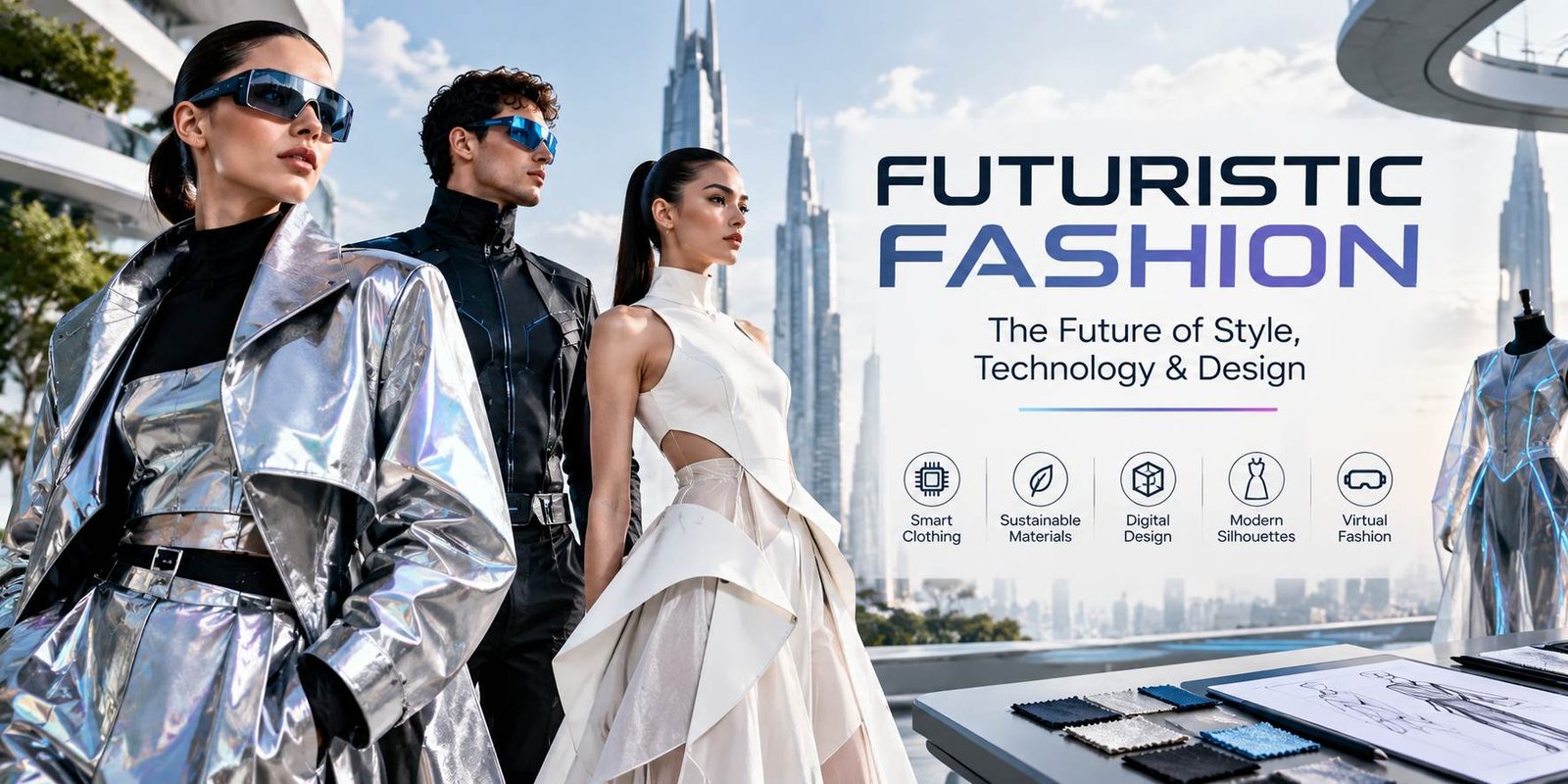
Futuristic Fashion: The Future of Style, Technology & Design
Fashion is constantly moving forward. Designers look at changing lifestyles, new technologies, fresh materials, and cultural shifts to imagine what people may wear next. Futuristic fashion brings many of these ideas together by exploring clothing that feels new, experimental, intelligent, or different from conventional styles.
The concept can appear in many forms. One designer may create a jacket with an architectural shape, while another may experiment with responsive fabric, digital clothing, recycled materials, or technology built directly into garments. Some future-focused designs are dramatic enough for a runway, while others are subtle enough for everyday wardrobes.
What makes this area of fashion especially interesting is that it does not have one fixed appearance. Futuristic clothing can be minimal, colorful, sculptural, practical, sporty, luxurious, or highly experimental.
Instead of simply asking what clothes look like today, designers working in this area ask a bigger question: How might clothing change as the way we live changes?
What Is Futuristic Fashion?
Futuristic fashion is an approach to clothing and style that imagines new possibilities for the future of dress.
It can involve unusual garment proportions, innovative textiles, digital design, smart technology, advanced manufacturing, experimental accessories, and new approaches to sustainability.
A futuristic design does not necessarily need flashing lights or metallic fabric. A simple garment made from an innovative material can also represent a forward-looking approach.
The defining feature is the idea behind the design.
A designer might create clothing that responds to changing temperatures, uses less material, incorporates digital elements, or offers a new interpretation of familiar garments.
In this sense, futuristic fashion is as much about innovation and imagination as it is about appearance.
Why Futuristic Fashion Is Getting More Attention
Technology has become part of everyday life, so its influence on clothing is becoming easier to understand.
People use smart devices, digital platforms, wearable electronics, virtual environments, and connected products every day. Fashion naturally interacts with these developments.
At the same time, designers are facing new questions about waste, material consumption, production, and the life cycle of garments.
These changes encourage designers to explore alternatives.
Social media has also helped experimental designs reach a much larger audience. A collection shown in one city can quickly become visible to people around the world.
As a result, ideas that once belonged mainly to experimental studios and fashion runways can influence mainstream clothing much faster.
Main Features of Futuristic Fashion
There is no universal formula for creating a future-inspired look. However, several design elements appear frequently.
Experimental Silhouettes
The outline of clothing can dramatically change its visual impact.
Designers may enlarge sleeves, extend shoulders, create rounded forms, exaggerate proportions, or build garments away from the body.
These changes can turn a familiar piece into something completely different.
A simple coat, for instance, can become visually striking when its shoulders, length, or volume are redesigned.
Innovative Materials
Material selection can be just as important as the cut of a garment.
Designers can experiment with technical textiles, recycled fibers, bio-based materials, coated surfaces, flexible structures, and fabrics developed for specific performance needs.
Some materials provide practical benefits such as water resistance or insulation. Others are selected mainly for their unusual visual or tactile qualities.
Reflective and Glossy Finishes
Shiny surfaces are strongly associated with modern and futuristic styling.
Reflective fabrics, metallic finishes, polished textures, and high-shine materials can create an eye-catching effect under natural or artificial light.
However, these finishes are only one option. A monochrome outfit with a highly unusual shape can feel just as futuristic.
Digital Visual Language
Technology can also influence fashion visually.
Designers may draw inspiration from digital screens, interfaces, computer graphics, virtual worlds, geometric grids, or other forms of digital imagery.
These references can appear as prints, embroidery, surface decoration, or garment construction.
How Technology Is Changing Fashion
Technology is affecting almost every stage of fashion, from early design development to manufacturing and retail.
Digital tools allow designers to test ideas without immediately producing physical samples. Manufacturing technology can support complex shapes. Smart components can add functions to garments.
This does not mean traditional craftsmanship is disappearing.
Instead, modern fashion can combine hand skills with digital processes.
A designer may sketch an idea by hand, develop the pattern digitally, create a virtual sample, and then produce the final garment using a combination of modern and traditional techniques.
This combination can open new creative possibilities.
Smart Clothing and Connected Garments
Smart clothing is one of the clearest examples of technology entering fashion.
These garments can contain sensors, electronic components, conductive materials, or connections to digital systems.
Depending on the design, smart clothing may support activities such as fitness monitoring, communication, environmental sensing, or personal comfort.
The most interesting aspect is that the technology does not always need to be visible.
A future garment may look like an ordinary shirt or jacket while providing functions that traditional clothing cannot offer.
This could eventually make technology feel like a natural part of clothing rather than a separate device.
Sustainable Innovation in Futuristic Fashion
The future of fashion cannot be discussed without considering environmental responsibility.
The clothing industry has to think carefully about resources, production, waste, transportation, and garment disposal.
Future-focused designers are therefore exploring materials and processes that may offer better environmental outcomes.
These approaches can include recycled fibers, alternative raw materials, lower-waste construction, bio-based textiles, and improved manufacturing methods.
Another important idea is durability.
Creating a garment that lasts longer can be valuable because consumers may replace it less often.
Sustainability should therefore be considered throughout the life of a product rather than treated as a decorative feature.
Digital Fashion and Virtual Clothing
Clothing no longer has to exist only in physical form.
Digital fashion allows designers to create garments inside software. These pieces can be used for digital images, virtual environments, games, social platforms, or online identities.
A digital garment can have almost any shape because it does not have to follow the physical limitations of fabric.
For example, a virtual dress can have enormous volume or unusual structures without requiring additional material.
This gives designers a new creative playground.
Digital clothing may also change how people think about ownership and personal style. In online environments, a person’s digital appearance can become just as important as their physical outfit.
The Growing Importance of 3D Fashion Design
Three-dimensional design software gives fashion creators another way to experiment.
Instead of producing several physical samples, a designer can first create digital versions of a garment and modify the proportions virtually.
This can make the development process more efficient.
Designers can examine a garment from different angles, adjust details, change colors, test proportions, and compare variations before deciding which version should move toward physical production.
For students and independent designers, these tools can also make it easier to communicate ideas to manufacturers or collaborators.
Artificial Intelligence in Fashion
Artificial intelligence is becoming another tool within the fashion design process.
AI systems can assist with idea development, image exploration, trend research, pattern analysis, product organization, and other tasks.
However, using AI does not automatically create good fashion.
A successful design still needs human judgment.
Designers must understand fabrics, construction, proportion, consumer needs, culture, and aesthetics. Technology can help produce possibilities, but a person still needs to decide which direction is meaningful.
This makes AI more useful as a creative or research tool rather than a complete replacement for design expertise.
Architecture as Inspiration for Future Fashion
Architecture and clothing share several principles, including structure, proportion, volume, material, and space.
Because of this connection, buildings can become powerful sources of inspiration for fashion designers.
A designer might study the curves of a modern building and translate them into a dress. Another might use the sharp geometry of contemporary architecture when developing a jacket.
This approach can create garments that appear almost sculpted.
The body becomes the foundation, while the clothing creates a new relationship between the wearer and the surrounding space.
Futuristic Silhouettes and Proportion
Shape is one of the easiest ways to make an outfit feel forward-looking.
Designers can manipulate proportions in many directions.
Popular approaches may include:
- Oversized coats
- Broad shoulders
- Long streamlined jackets
- Sculptural dresses
- Wide trousers
- Geometric tops
- Asymmetrical hems
- Enlarged sleeves
- Layered structures
- Rounded outerwear
These elements do not need to appear together.
Often, one carefully selected unusual shape is enough to change the character of an outfit.
The important point is that the proportion should feel intentional.
Futuristic Accessories
A complete wardrobe does not need to be redesigned to experiment with future-inspired fashion.
Accessories can introduce the look more gradually.
Examples include geometric sunglasses, technical sneakers, sculptural handbags, unusual jewelry, reflective belts, futuristic watches, and statement footwear.
Someone wearing a simple neutral outfit could add one distinctive accessory to create a modern effect.
This makes futuristic styling accessible to people who do not want highly experimental clothing.
How to Create a Futuristic Outfit
Creating a future-inspired outfit can be easier when the process is kept simple.
Begin With a Neutral Foundation
Black, white, gray, navy, and other understated shades can provide a clean starting point.
Select One Statement Piece
Choose one garment with an unusual cut, material, or proportion.
A structured jacket or oversized coat can become the main focus.
Add Texture
Technical, glossy, quilted, reflective, or smooth surfaces can add visual interest.
Introduce a Modern Accessory
A geometric bag or unusual pair of glasses can strengthen the overall theme.
Keep the Balance
If every piece is dramatic, the outfit can lose focus. A combination of simple and experimental elements often looks more intentional.
Can Futuristic Fashion Be Everyday Wear?
Absolutely.
Runway collections often exaggerate ideas to make them visually powerful. Everyday fashion can borrow those ideas in a much simpler form.
For example, a person may wear a technical jacket with straight trousers and modern sneakers. Another person might choose a monochrome outfit with a structured handbag.
The result does not need to look like a science-fiction costume.
In fact, subtle future-inspired details can often be easier to wear and style.
This process of adapting experimental fashion into practical clothing is one reason runway innovation can eventually influence everyday trends.
Futuristic Fashion vs. Science-Fiction Style
These two ideas are related, but they are not identical.
Science-fiction fashion often takes direct inspiration from imaginary worlds, fictional characters, space travel, or fantasy technology.
Futuristic fashion can have a more realistic foundation.
A designer may focus on a new fabric, a digital production process, an advanced garment structure, or a practical wearable device.
Therefore, future-inspired clothing does not always need to look like a costume from a movie.
It can simply represent a different approach to how clothing is designed, produced, or used.
Benefits of Futuristic Fashion
Future-oriented design can provide several opportunities for fashion.
More Creative Freedom
Designers can question traditional garment shapes and experiment with new forms.
New Functional Possibilities
Smart clothing may eventually provide useful features alongside appearance.
Material Innovation
New textiles can potentially improve performance, durability, comfort, or environmental impact.
Digital Opportunities
Virtual clothing gives designers a space where physical limitations are reduced.
Cross-Industry Collaboration
Future fashion can connect designers with engineers, software developers, scientists, artists, and manufacturers.
This mixture of skills can produce ideas that would be difficult to develop within one field alone.
Challenges Facing Futuristic Fashion
Innovation also comes with practical difficulties.
Advanced fabrics and technology can be expensive. Some products may require specialized equipment or manufacturing knowledge.
Electronic garments can create additional concerns around maintenance, durability, upgrades, and recycling.
Digital fashion has different challenges, including questions about ownership, access, platforms, and consumer value.
Another issue is unnecessary complexity.
Adding technology simply because it is possible does not automatically improve a garment.
The best innovations should solve a problem, create useful value, or offer a meaningful creative experience.
The Future of Futuristic Fashion
It is difficult to predict exactly what people will wear decades from now.
Fashion rarely moves in a straight line. Old ideas return, new technologies appear, and consumers adapt trends in unexpected ways.
For that reason, the future may not produce one universal futuristic style.
Instead, different approaches may exist together.
Some people may choose highly advanced smart clothing. Others may prefer simple garments made from innovative sustainable materials. Digital outfits may become more common in virtual spaces, while traditional handmade clothing continues to have value.
This mixture could make the future of fashion more diverse rather than less.
How Designers Can Prepare for the Future
Emerging designers who want to work with future-focused fashion can develop several useful skills.
They can study traditional pattern cutting while learning digital design tools. They can experiment with different textiles and research material innovation.
Understanding sustainability is also becoming increasingly important.
Designers can benefit from learning how garments are produced, how materials behave, and what happens to clothing after it is no longer wanted.
Most importantly, designers should develop their own point of view.
Technology changes quickly, but a strong creative identity can give a designer lasting relevance.
Frequently Asked Questions
What does futuristic fashion mean?
Futuristic fashion describes clothing and design ideas that explore future possibilities through innovative shapes, materials, technology, digital tools, and new approaches to garment creation.
Does futuristic clothing always use metallic colors?
No. Metallic shades are popular, but future-inspired fashion can use almost any color palette. Shape, material, construction, and technology can be more important than color.
Is smart clothing part of futuristic fashion?
Yes. Smart clothing can be considered part of the wider movement because it combines garments with technology and additional functions.
Can sustainable clothing be futuristic?
Yes. Innovative materials, low-waste production methods, digital sampling, recycling, and longer-lasting garments can all contribute to a more future-focused fashion system.
Can I wear futuristic fashion casually?
Yes. You can introduce the style through structured jackets, technical fabrics, modern sneakers, geometric accessories, monochrome outfits, or unusual silhouettes.
What role does AI play in fashion?
AI can assist with research, concept development, visual exploration, organization, and other parts of the design process. Human creativity and design judgment remain important.
Conclusion
Futuristic fashion is not simply a trend built around metallic clothing or dramatic runway designs. It represents a broader effort to rethink how clothing can look, function, and be created.
New materials, smart garments, digital clothing, 3D design, artificial intelligence, sustainable production, and experimental silhouettes are all contributing to this changing landscape.
For consumers, future-inspired fashion can offer new ways to express personality. For designers, it creates opportunities to combine creativity with technology and practical innovation.
The most successful future-focused designs will likely be those that do more than look unusual. They will offer a clear idea, solve a problem, improve an experience, or introduce a genuinely fresh way of thinking about clothing.
As technology and culture continue to evolve, fashion will evolve with them. The future of style may not have one single appearance, and that uncertainty is exactly what makes futuristic fashion so exciting.





One Comment