
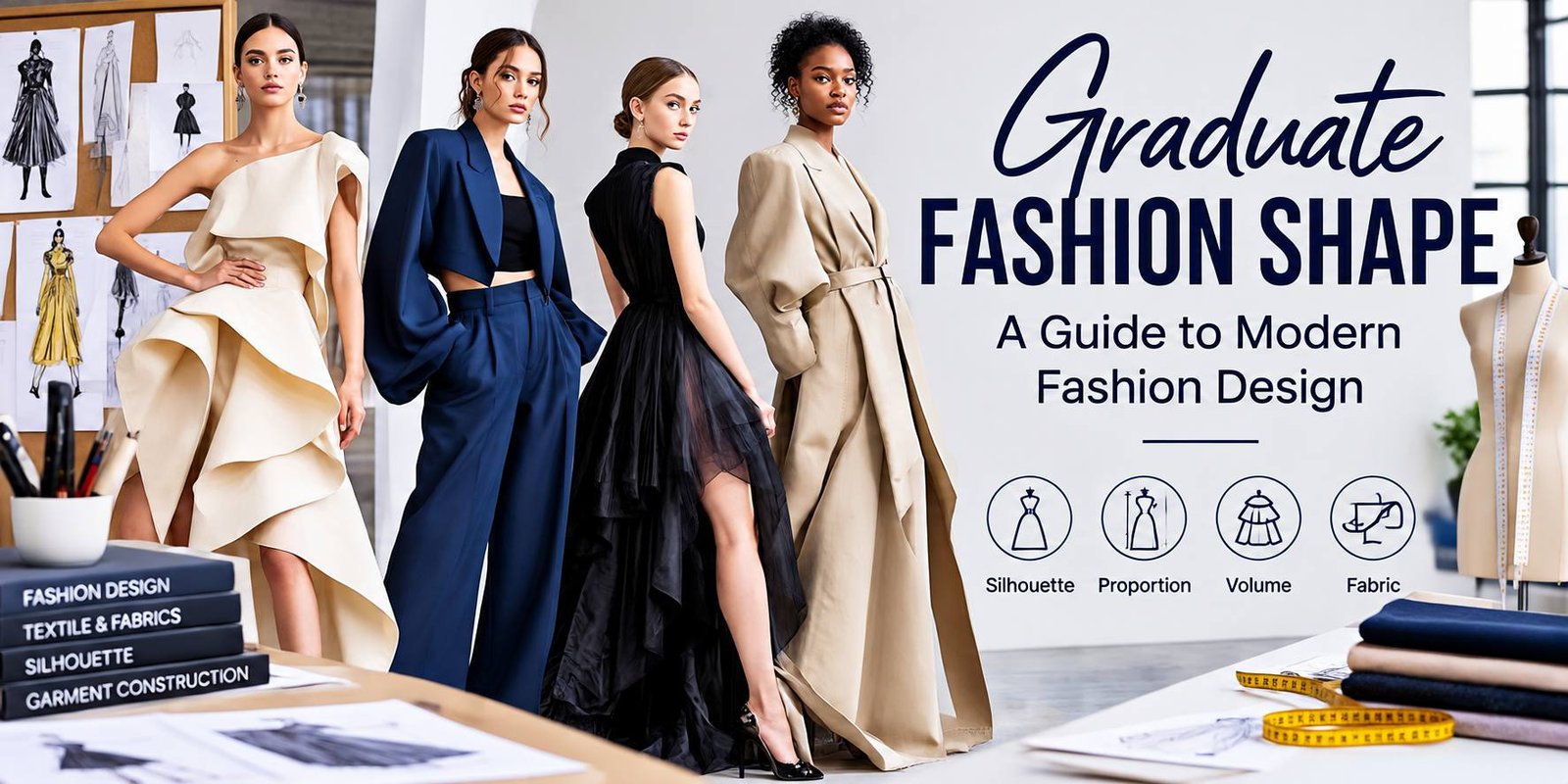
Graduate Fashion Shape: A Guide to Modern Fashion Design
Fashion design is not only about choosing beautiful fabrics or following popular trends. The shape of a garment can change how an outfit looks, moves, and feels on the body. For fashion students and new designers, understanding shape is an important part of creating a strong collection. This is where the idea of Graduate Fashion Shape becomes useful.
Graduate fashion collections often show how emerging designers turn ideas into wearable clothing. They may experiment with oversized forms, sharp tailoring, flowing layers, unusual proportions, or sculptural silhouettes. These choices help a designer create a visual identity and communicate a clear concept.
A graduate collection can also be a place for testing ideas that may not appear in everyday clothing. Students can explore volume, structure, movement, texture, and proportion while developing their own design language.
This guide explains what Graduate Fashion Shape means, why silhouette matters, which shapes designers commonly explore, and how fashion students can use shape to build a memorable collection.
What Does Graduate Fashion Shape Mean?
The phrase Graduate Fashion Shape can be understood as the use of garment silhouettes and structural forms in fashion collections created by graduating or emerging designers.
The word “shape” refers to the overall outline of a garment. It can describe whether clothing is fitted, loose, rounded, straight, layered, dramatic, or highly structured.
Graduate fashion is often more experimental than ordinary ready-to-wear clothing. Students may use their final collections to investigate a particular idea rather than simply create a group of commercially safe outfits.
For example, one designer might build a collection around oversized coats and wide trousers. Another might focus on narrow dresses with long vertical lines. A third could use inflated sleeves, curved panels, or layered skirts.
These different approaches create completely different visual identities.
Why Shape Matters in Graduate Fashion
Shape is one of the first things people notice about clothing. Before someone looks closely at stitching, fabric, or small details, they usually see the overall silhouette.
For a graduate designer, this makes shape an important design tool.
A strong silhouette can:
- Make a collection recognizable
- Create visual interest
- Communicate a design concept
- Change the perceived proportions of the body
- Show technical design skills
- Create movement and volume
- Help individual garments stand apart
- Give a collection a consistent identity
A graduate collection should normally feel connected from one outfit to another. Repeating certain shapes, proportions, or construction ideas can help create that connection.
At the same time, every garment does not need to look identical. Small changes in volume and proportion can make a collection feel more dynamic.
The Role of Silhouette in Graduate Fashion
Silhouette is the outer shape created when a garment is viewed as a whole. It is one of the basic building blocks of fashion design.
Designers can manipulate silhouettes in many ways. They can bring fabric closer to the body, push it away from the body, extend certain areas, or create contrast between fitted and oversized sections.
Common silhouette approaches include:
Fitted Silhouettes
Fitted clothing follows the body’s general contours. Tailored jackets, pencil skirts, fitted dresses, and slim trousers can create this effect.
A fitted silhouette can communicate precision and control. Graduate designers may use it when they want a collection to feel refined or structured.
Oversized Silhouettes
Oversized clothing uses additional volume and space. Large coats, broad trousers, loose shirts, and extended sleeves are common examples.
Oversized shapes can make a collection feel modern and expressive. Designers can also use large proportions to challenge traditional ideas about how clothing should fit.
Straight Silhouettes
Straight garments create a relatively simple vertical outline. Shift dresses, straight coats, and boxy tops can fall into this category.
This shape can produce a clean and minimal appearance. It also provides a useful base for experimenting with prints, seams, surface details, and fabric texture.
A-Line Silhouettes
An A-line shape is narrower around the upper body and gradually becomes wider toward the lower part.
This approach is widely used in skirts and dresses, but designers can reinterpret it through coats, jackets, or layered garments.
Sculptural Silhouettes
Sculptural fashion focuses strongly on form. Garments may contain dramatic curves, unusual volumes, architectural panels, or exaggerated construction.
Graduate designers sometimes explore this type of shape because it allows them to demonstrate creativity and technical experimentation.
How Graduate Designers Develop a Fashion Shape
Creating a garment shape does not usually happen by accident. Designers often begin with research and gradually turn an idea into a physical form.
The process can include several stages.
1. Start With a Concept
The designer first decides what the collection is about.
The concept might come from architecture, nature, personal experiences, historical clothing, technology, music, social ideas, or visual art.
The concept helps determine what kind of shapes may be appropriate.
For example, a collection inspired by modern buildings might use sharp angles and structured garments. A collection influenced by natural forms could use rounded lines and flowing layers.
2. Create Initial Sketches
Sketching allows designers to explore ideas before making garments.
A designer may draw many versions of one silhouette and compare them. Some sketches may be simple, while others may show exaggerated proportions.
The purpose is not always to create a perfect illustration. Sketches can help identify what shapes have potential.
3. Experiment With Proportion
Proportion describes the relationship between different parts of a garment.
A designer might make sleeves unusually long, enlarge the shoulders, lower the waistline, or increase the volume of a skirt.
Changing one part can completely alter the appearance of an outfit.
4. Use Fabric to Test the Shape
Different fabrics behave differently.
A stiff material may hold a dramatic form, while a soft fabric may create movement and fluidity.
Designers can use fabric experiments to determine whether a planned silhouette works in reality.
5. Develop a Sample Garment
Before producing the final version, a designer may create a sample or toile.
This allows them to check the proportions, construction, fit, and movement.
Problems that were not obvious in a sketch can become clear when the garment is worn.
Graduate Fashion Shape and Proportion
Proportion is closely connected to silhouette. A garment can have the right basic shape but still look unbalanced if its proportions are not carefully considered.
For example, a very oversized jacket might be balanced with a narrower lower half. Alternatively, a wide trouser could be paired with a fitted top.
Graduate designers can intentionally break conventional proportions, but the result should still have a clear design purpose.
Exaggeration can be effective when it supports the concept of the collection.
The goal is not simply to make clothing larger or smaller. It is to create relationships between different elements.
The Importance of Volume
Volume refers to the amount of space a garment occupies around the body.
It can be created through:
- Pleats
- Gathering
- Layering
- Padding
- Structured panels
- Draping
- Oversized cuts
- Puffed sleeves
- Extended shoulders
Volume can make a garment visually powerful. It can also change how the wearer moves.
For graduate fashion, volume can be particularly useful because it gives students an opportunity to demonstrate construction and creative thinking.
However, too much volume without a clear purpose can make a garment appear difficult to wear or visually confusing.
How Fabric Changes Fashion Shape
Fabric selection has a major effect on the final silhouette.
A designer planning a structured jacket may choose a material that can maintain its form. Someone creating a flowing dress may prefer a fabric with more movement.
Fabric weight also matters.
Heavy materials can create strong, grounded shapes. Lightweight materials may produce softer outlines and movement.
Texture can influence shape as well. Thick, fuzzy, shiny, pleated, or heavily textured fabrics can change how the surface interacts with light and the surrounding silhouette.
This means the same pattern can look very different when made from different materials.
Graduate Fashion Shape and Movement
Fashion is experienced through movement, not only through a static image.
A garment may look simple while standing still but create a completely different effect when the wearer walks.
Skirts can expand and contract with movement. Long sleeves can create visual trails. Loose coats can swing around the body. Layered fabrics can reveal different shapes as the wearer moves.
Graduate designers can consider movement during the design process.
A successful collection often balances appearance with function. Even highly experimental garments can become more convincing when their movement has been considered.
Exploring Contrast in a Graduate Collection
Contrast can make a fashion collection more interesting.
A designer could combine:
- Tight and oversized garments
- Soft and rigid fabrics
- Short and long proportions
- Smooth and textured surfaces
- Simple and complex construction
- Light layers with heavier outer pieces
These contrasts can create rhythm across a collection.
For example, if every outfit has exactly the same volume, the collection may feel repetitive. Introducing controlled changes can make the presentation more engaging.
How Color Works With Shape
Color and shape should support each other.
A dramatic silhouette may work well with a simple color palette because the form becomes the main focus. Conversely, a relatively simple silhouette can provide a strong foundation for bold colors or patterns.
Graduate designers can decide whether they want shape, color, texture, or print to become the main visual feature.
Trying to make every element equally dramatic can sometimes weaken the overall effect.
A focused approach often produces a stronger collection.
Graduate Fashion Shape in Tailoring
Tailoring offers another way to explore shape.
Traditional tailoring relies on careful construction, controlled proportions, and precise fitting. Graduate designers can use these foundations while introducing modern changes.
They might experiment with:
- Extended shoulders
- Curved jackets
- Oversized lapels
- Uneven hems
- Longer jacket lengths
- Wide-leg trousers
- Unusual pocket placement
- Layered tailoring
These details can transform familiar clothing into something more distinctive.
Tailoring also gives students an opportunity to demonstrate technical skills, which can be valuable when presenting a graduate collection.
Using Shape to Create a Brand Identity
Emerging designers often need a recognizable visual identity.
A consistent approach to shape can help create that identity.
One designer might become known for oversized outerwear. Another might develop a signature approach to curved dresses. Someone else could focus on sharp tailoring and strong shoulders.
The repeated use of certain design ideas does not mean every garment must be the same.
Instead, the collection can contain related visual elements that make the designer’s work easier to recognize.
Common Mistakes When Designing Fashion Shapes
Experimentation is important, but there are some common problems designers should avoid.
Ignoring Wearability
Experimental fashion does not have to be completely practical, but the designer should understand how the garment functions.
Movement, comfort, fastening, and balance can all affect the final result.
Using Too Many Ideas
A collection can become confusing when every garment introduces a completely different shape.
A clear central concept usually creates a stronger visual story.
Choosing the Wrong Fabric
A fabric may not behave as expected when used for a particular silhouette.
Testing materials before final production can prevent many problems.
Forgetting Balance
An exaggerated garment can become visually heavy on one side if proportions are not considered carefully.
Balance does not always mean symmetry, but the relationship between different parts should feel intentional.
Copying Existing Trends
Graduate collections are often opportunities for designers to develop individual ideas.
Following an existing trend too closely can make a collection feel less personal.
Research is useful, but it should lead to new thinking rather than simple imitation.
How to Make a Graduate Fashion Collection Stand Out
A strong graduate collection usually has a clear idea behind it.
Designers can improve their work by asking a few questions:
What is the central concept?
The collection should communicate a recognizable idea.
What makes the silhouettes different?
There should be something distinctive about the shapes or proportions.
Do the garments work together?
Individual pieces should feel connected to the overall collection.
Does the fabric support the shape?
Material selection should match the desired structure and movement.
Can the designer explain the choices?
A good collection is easier to understand when the designer can clearly discuss the research and development behind it.
The Future of Graduate Fashion Shape
Fashion education continues to encourage experimentation with materials, construction, digital tools, and new production methods.
Technology can also influence how designers develop silhouettes. Digital pattern systems, 3D design software, virtual sampling, and advanced manufacturing methods can make it easier to test unusual forms before producing physical garments.
Sustainability is another important consideration.
Instead of creating unnecessary samples, designers may use digital tools to test proportions and construction ideas earlier in the process. Material efficiency can also influence how a garment is shaped.
As fashion changes, graduate designers will continue to explore new relationships between the human body, clothing, technology, and materials.
Final Thoughts on Graduate Fashion Shape
Graduate Fashion Shape is ultimately about how emerging designers use silhouette, proportion, volume, fabric, and construction to communicate an idea through clothing.
For fashion students, shape provides an opportunity to move beyond basic garment construction and develop a personal design language. A collection can become more memorable when its silhouettes have a clear purpose and connect with the designer’s concept.
The strongest results do not necessarily come from making the biggest or most unusual garments. Instead, successful graduate fashion often comes from thoughtful decisions about proportion, movement, material, and visual balance.
Whether the final collection uses sharp tailoring, flowing layers, oversized forms, sculptural pieces, or simple silhouettes, the shape should support the story behind the work.
For an emerging designer, learning how to control shape is therefore more than a technical skill. It is a way to communicate creativity, identity, and a point of view through fashion.





One Comment