
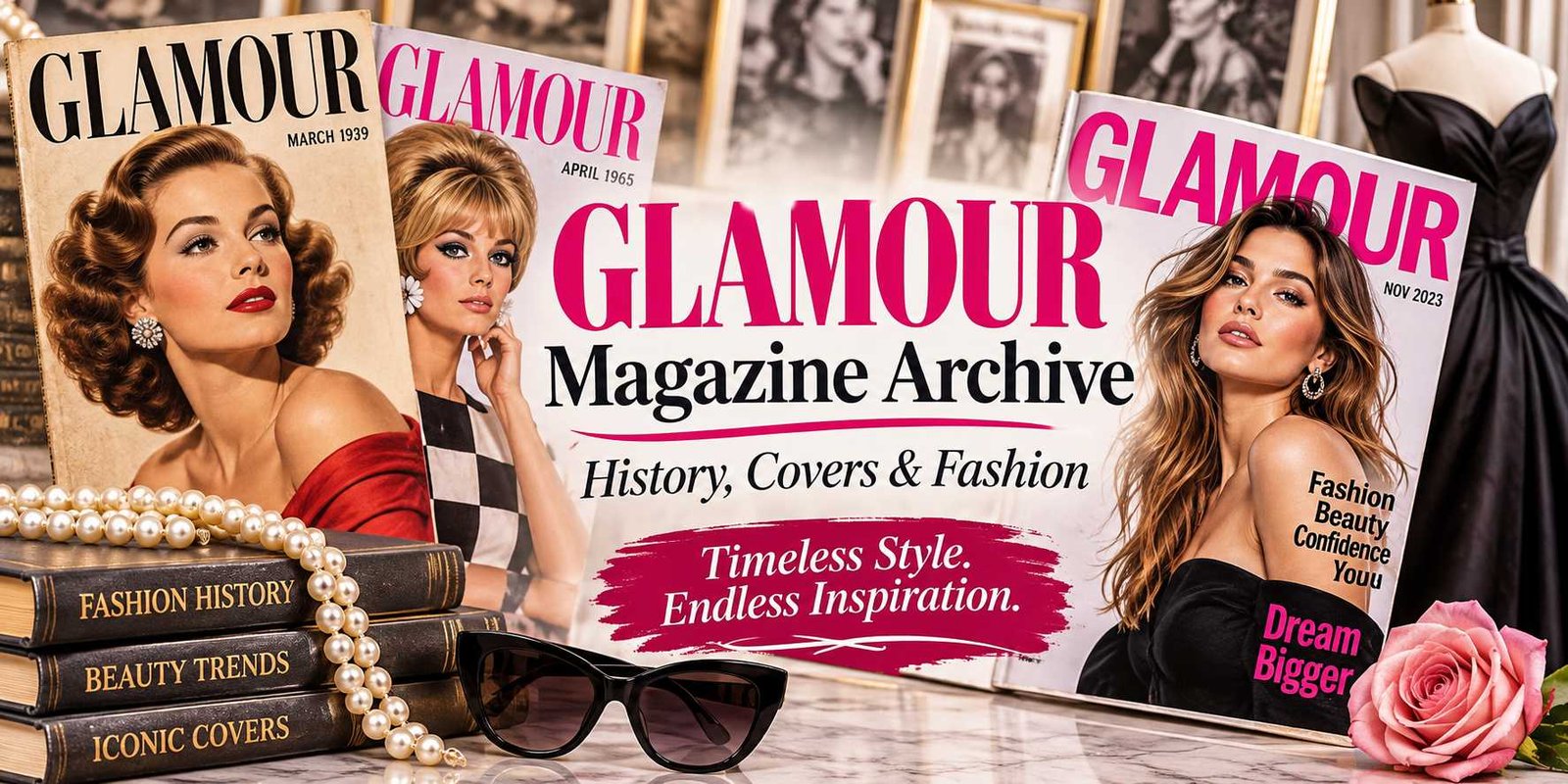
Glamour Magazine Archive: History, Covers & Fashion
The Glamour Magazine Archive offers a fascinating look into the changing world of fashion, beauty, celebrity culture, and women’s lifestyles. For decades, Glamour has helped readers discover new clothing styles, beauty ideas, career advice, and conversations about women’s lives. Its magazine covers and editorial photographs also provide a visual record of how fashion has changed over time.
Looking through older Glamour Magazine Archive editions is more than a trip down memory lane. It helps readers understand why certain clothing styles became popular, how beauty standards developed, and how women gained greater representation in fashion media. From classic Hollywood-inspired looks to modern streetwear, the magazine has documented many important moments in popular culture.
Today, readers can explore selected historical covers, digital editions, online articles, and other archival material. Whether someone collects vintage magazines, researches fashion history, or simply enjoys iconic editorial photography, the Glamour collection offers plenty of inspiration.
This guide explores the magazine’s background, memorable covers, fashion influence, digital development, and ways to discover older editions.
What Is the Glamour Magazine Archive?
The Glamour Magazine Archive refers to historical material connected with Glamour magazine, including old covers, published stories, fashion photography, beauty features, interviews, and selected digital editions.
These materials help readers understand the magazine’s development and its influence on fashion and lifestyle publishing. They also provide a useful resource for people interested in vintage clothing, celebrity fashion, editorial design, and women’s magazines.
An archive does not always mean that every issue is available in one online collection. Some editions can be found through official magazine websites, digital publications, libraries, and specialist vintage Glamour Magazine Archive sellers.
Readers may explore different types of historical content, such as:
- Vintage magazine covers featuring well-known personalities.
- Fashion editorials showing clothing trends from earlier decades.
- Beauty articles covering makeup, hairstyles, and skincare.
- Interviews with actors, models, designers, and influential women.
- Features about careers, relationships, confidence, and personal style.
- Special editions and anniversary publications.
The value of these materials comes from their ability to preserve fashion and cultural history. Each issue reflects the interests, visual styles, and social conversations of its publication period.
The History of Glamour Magazine
Glamour has a long publishing history that began in the United States in March 1939. It originally focused on Hollywood-inspired beauty and fashion, presenting glamorous clothing ideas and celebrity-inspired looks to its readers.
However, the magazine’s identity developed significantly during the early 1940s.
The Early Years: 1939 to the 1940s
When Glamour first appeared, Hollywood strongly influenced popular fashion. Movies introduced audiences to elegant dresses, carefully styled hair, beautiful accessories, and polished makeup.
The magazine used this interest to provide readers with fashion inspiration that could be adapted to everyday life.
World War II changed the direction of many women’s publications. As more women entered the workforce, their clothing and lifestyle needs also changed. Glamour responded by developing its identity around the working woman.
Its famous positioning as a magazine for the girl with a job reflected a new approach to women’s fashion.
Instead of focusing only on special occasions, the publication explored practical clothing, professional dressing, and the changing role of women in society.
The 1950s: Elegant Fashion and Feminine Style
During the 1950s, fashion magazines celebrated structured silhouettes, fitted waistlines, full skirts, and carefully coordinated accessories.
Glamour reflected many of these trends through its fashion pages and editorial photography.
Readers could discover ideas for:
- Elegant day dresses.
- Tailored jackets and skirts.
- Classic handbags and shoes.
- Feminine hairstyles.
- Evening dresses and formal outfits.
- Accessories suitable for different occasions.
These pages remain interesting to vintage fashion enthusiasts because they show how women combined elegance with the practical needs of everyday life.
The 1960s: Youth Culture and Modern Fashion
The 1960s introduced major changes in clothing and popular culture. Shorter hemlines, bold prints, mini dresses, colorful accessories, and new hairstyles became increasingly visible.
Fashion magazines helped introduce these ideas to a wider audience.
Glamour’s historical material provides an opportunity to explore how changing cultural attitudes influenced women’s clothing.
The decade also saw growing interest in individual expression. Younger readers wanted fashion that reflected their personalities rather than simply following traditional dress rules.
The 1970s: Individuality and Creative Expression
The 1970s brought a wider range of fashion influences. Bohemian outfits, denim, wide-leg trousers, platform shoes, flowing dresses, and colorful prints became popular.
Fashion photography also became more experimental.
Rather than showing only formal and polished outfits, editorial pages increasingly explored relaxed clothing and expressive personal style.
For modern readers, these historical photographs provide inspiration for creating vintage-inspired outfits without copying an entire look.
The 1980s: Bold Fashion and Power Dressing
The 1980s were known for strong silhouettes, oversized jackets, statement accessories, bright colors, and dramatic makeup.
Professional fashion also received significant attention as more women pursued leadership roles in business and public life.
Glamour’s broader focus on working women made professional dressing an important subject for its audience.
The decade’s fashion ideas included:
- Structured blazers.
- Wide shoulders.
- Statement earrings.
- High-waisted trousers.
- Bold eveningwear.
- Colorful makeup.
These styles continue to influence modern retro fashion collections.
The 1990s: Minimalism and Supermodel Culture
The 1990s introduced a different fashion mood. Minimalist clothing, simple slip dresses, straight-leg jeans, neutral colors, and understated accessories became popular.
Supermodels and celebrity personalities also played a major role in fashion media.
Magazine covers became important cultural images, helping shape public interest in models, actors, designers, and emerging trends.
The Glamour Magazine Archive makes it easier to appreciate how fashion photography and celebrity culture evolved during this period.
The 2000s: Celebrity Fashion and Digital Influence
The early 2000s brought low-rise jeans, fitted tops, denim skirts, colorful handbags, and statement accessories into mainstream fashion.
Celebrity culture became increasingly influential, while the internet started changing how readers discovered fashion.
Glamour continued to cover clothing, beauty, entertainment, and lifestyle subjects. Its editorial approach reflected the growing connection between fashion, popular culture, and personal identity.
Iconic Glamour Magazine Covers Through the Years
Magazine covers are among the most recognizable parts of fashion publishing. A cover introduces the personality of an issue and gives readers a preview of its editorial direction.
Glamour has featured actors, musicians, models, and other influential women throughout its history.
Its UK edition launched in 2001 with Kate Winslet on its first cover. The magazine became known for its handbag-sized format, which offered a compact alternative to traditional fashion magazines.
The official Glamour UK website also features a historical cover collection that looks back at memorable editions.
Why Magazine Covers Matter
A magazine cover is not simply an attractive photograph. It combines fashion, photography, typography, styling, and editorial decisions.
Several elements make vintage covers interesting:
Photography: Older covers reveal how portrait photography and lighting techniques have changed.
Fashion styling: Clothing and accessories reflect the trends of their time.
Typography: Magazine titles and cover lines show how graphic design has developed.
Celebrity culture: Cover personalities help document changing public interests.
Cultural messages: Headlines can reveal the subjects that mattered to readers during a particular period.
For collectors and fashion researchers, these details make old covers valuable historical references.
How Glamour Magazine Influenced Fashion Trends
Fashion magazines have long played a role in connecting designers, celebrities, retailers, and everyday shoppers.
Glamour contributed to this relationship by presenting clothing ideas in an accessible editorial format.
Its pages helped readers explore new styles while considering how to wear them in real life.
Everyday Fashion Inspiration
One of the magazine’s lasting strengths has been its attention to wearable clothing.
Rather than presenting fashion only as something seen on exclusive runways, editorial features have also explored outfits suitable for work, social events, travel, and everyday activities.
For example, readers interested in professional clothing could explore blazer combinations, tailored trousers, comfortable footwear, and practical accessories.
This approach helped connect fashion inspiration with real wardrobe decisions.
Celebrity Style and Fashion Influence
Celebrities have always attracted attention from fashion audiences.
Magazine interviews and photographs allow readers to discover different personal styles, from elegant red-carpet dresses to relaxed everyday outfits.
Over time, celebrity fashion coverage also became an important part of the wider fashion industry.
Designers, stylists, photographers, and fashion brands benefited from the attention generated by magazine features.
Beauty and Personal Style
Glamour has also covered beauty topics alongside clothing and accessories.
Its historical material includes changing approaches to makeup, hairstyles, skincare, and personal grooming.
Comparing older and newer beauty editorials can reveal how trends have moved from highly structured looks toward more varied approaches to individual expression.
Glamour Magazine and Women’s Empowerment
Fashion magazines are often associated with clothing and beauty, but their influence can extend much further.
Glamour developed a broader editorial identity that included discussions about women’s independence, professional opportunities, relationships, and social issues.
Its early focus on working women helped establish a connection between fashion and changing lifestyles.
Over the years, the magazine has addressed subjects such as:
- Career development and professional confidence.
- Education and opportunities for women.
- Financial independence.
- Equal rights and representation.
- Relationships and personal wellbeing.
- Women’s experiences in entertainment and society.
This wider editorial approach is an important part of its history.
The magazine’s 85th anniversary was celebrated with the publication of Glamour: An Extraordinary History in 2024. The book explores the publication’s past through historical photographs, archival correspondence, stories, and fashion imagery.
How to Explore the Glamour Magazine Archive Online
Finding older magazine issues is easier when readers know where to look.
However, different websites offer different types of material. Some display covers and photographs, while others provide complete digital editions or physical back issues.
Here are several useful starting points.
1. Official Glamour Website
The official Glamour website is one of the best places to begin.
Readers can discover historical features, celebrity interviews, fashion articles, and selected archive material.
For example, the Glamour UK Cover Archive offers a look at memorable covers from earlier years.
2. Digital Magazine Editions
Digital magazine platforms provide another way to explore selected issues.
Some editions are available through official magazine applications or digital publishing services.
The availability of older issues depends on the country, publisher, subscription, and platform.
Before purchasing an edition, readers should check its publication date and confirm that the issue contains the material they want.
3. Libraries and Historical Collections
Libraries can be useful for readers who want to study older magazine publications.
Some institutions hold physical copies, while others provide access to digitized collections.
University libraries may also offer magazine databases through their research subscriptions.
These resources are especially useful for students, historians, and fashion researchers.
4. Vintage Magazine Retailers
Specialist sellers sometimes offer original Glamour back issues.
These magazines can be useful for collectors who prefer holding physical copies.
Before purchasing, check:
- Publication month and year.
- Overall condition.
- Missing or damaged pages.
- Whether the original cover is included.
- Shipping costs and seller information.
A clear product description can help prevent disappointment when buying vintage editions online.
Print Glamour Magazine vs. Digital Glamour Content
The magazine industry has changed significantly with the growth of digital publishing.
Earlier readers often relied on printed editions, while modern audiences can access articles through websites, smartphones, and digital publications.
Both formats offer different experiences.
The Appeal of Printed Magazines
Printed magazines provide a physical connection to fashion history.
Collectors enjoy the original paper, photography, typography, advertisements, and editorial layouts.
A vintage issue also offers a complete picture of what readers experienced when it was first published.
Printed magazines can be especially useful for studying:
- Historical fashion advertisements.
- Original editorial layouts.
- Clothing trends from specific decades.
- Magazine printing and graphic design.
- Vintage photography.
The Benefits of Digital Editions
Digital publications offer convenience and easier access.
Readers can browse articles on compatible devices without storing large collections of printed magazines.
Some digital editions also provide search features, clickable navigation, and offline reading.
For example, the official GLAMOUR Germany ePaper application describes access to new and older editions and features such as offline reading and full-text search.
However, the digital experience varies between editions and platforms.
Fashion Trends You Can Rediscover in Old Glamour Issues
Historical fashion editorials can inspire modern outfits.
Many styles from earlier decades return to contemporary collections, although designers often update the original shapes, fabrics, and colors.
Here are some fashion ideas worth exploring.
Vintage Denim
Denim has remained an important part of everyday fashion.
Older magazine photographs can provide inspiration for high-waisted jeans, denim jackets, straight-leg cuts, and relaxed outfits.
Modern readers can recreate these looks with updated fits and contemporary footwear.
Classic Blazers
Tailored blazers are another timeless wardrobe item.
The structured jackets popular in earlier decades continue to inspire modern office outfits.
A blazer can be paired with jeans, tailored trousers, skirts, or dresses.
Floral Dresses
Floral prints have appeared in many different fashion periods.
From delicate vintage patterns to oversized modern designs, floral dresses offer plenty of styling options.
Older editorial photographs can help readers understand how the trend has changed.
Statement Accessories
Accessories often reveal the character of a particular fashion decade.
Large earrings, structured handbags, colorful scarves, belts, and decorative shoes have all appeared in different forms over the years.
Modern styling can use one or two vintage-inspired accessories to add personality to a simple outfit.
Minimalist Clothing
Simple silhouettes and neutral colors remain popular because they are easy to combine.
The minimalist looks associated with the 1990s continue to influence modern wardrobes.
Readers can recreate this approach with straight-leg trousers, plain tops, simple dresses, and understated shoes.
Why Fashion Students and Researchers Use Magazine Archives
Historical magazines are useful educational resources.
They show how fashion ideas were communicated to the public and how editorial photography changed with time.
Students can use archival material to study the relationship between clothing, culture, advertising, and social change.
Understanding Fashion History
A collection of magazine issues from different decades allows students to compare silhouettes, fabrics, colors, and styling techniques.
For example, comparing a 1960s fashion editorial with a 1990s feature can reveal how ideas about beauty and clothing changed.
Studying Fashion Photography
Magazine archives provide examples of portrait photography, studio lighting, outdoor shoots, and editorial composition.
Students can examine how photographers use poses, backgrounds, clothing, and lighting to create a particular visual mood.
Researching Magazine Design
Graphic design students can study cover layouts, typography, image placement, and headline styles.
These elements show how publishers create a recognizable identity and attract readers.
Exploring Women’s Representation
Historical magazine content can also help researchers understand how women’s roles were presented in popular media.
By comparing different decades, readers can identify changes in discussions about work, independence, beauty, and equality.
Collecting Vintage Glamour Magazines
Collecting old magazines can be an enjoyable hobby for fashion lovers.
Some people collect issues featuring their favorite celebrities, while others focus on a particular decade or fashion theme.
Before building a collection, it helps to decide what makes an issue meaningful.
Choose a Collecting Theme
A clear theme makes collecting more organized.
Possible themes include:
- Glamour covers from the 1990s.
- Celebrity fashion editions.
- Special anniversary issues.
- Vintage beauty features.
- Fashion photography from the 1970s.
- Issues featuring particular designers or models.
Check Magazine Condition
Condition is important when purchasing older publications.
Look for clear covers, complete pages, readable text, and minimal damage.
Small signs of age are normal in vintage magazines, but major tears, water damage, and missing pages can reduce their appeal.
Store Magazines Properly
Paper can become damaged through sunlight, moisture, dust, and improper handling.
Store valuable issues in a cool, dry location.
Archival-quality protective sleeves can help protect covers from dust and handling damage.
Avoid placing heavy objects on magazines because this can bend the covers and pages.
Glamour Magazine’s Move Toward Digital Publishing
The magazine industry has experienced major changes as readers have moved toward online content.
Glamour has also adapted to this changing environment.
The UK edition announced a move away from monthly print publishing, with a different publishing model introduced in 2018. Its editorial presence continued to develop online.
Digital publishing allows fashion brands to share stories through articles, interviews, videos, social media, and other formats.
This change also makes fashion content easier to update.
Readers can discover beauty advice, fashion news, celebrity interviews, and shopping guides without waiting for a monthly printed issue.
However, print publications still have a special place among collectors and readers who appreciate traditional magazine design.
The history of Glamour demonstrates how an established magazine brand can adapt while retaining important parts of its editorial identity.
Is the Glamour Magazine Archive Free to Access?
Access depends on the type of material and the platform hosting it.
Some historical covers, articles, and online features are available to browse without payment.
However, complete digital editions, certain historical publications, and physical back issues may require a purchase or subscription.
Readers should understand the difference between free previews and full magazine access.
Before using an archive for research or collecting, check its terms and conditions.
It is also important to remember that magazine photographs, articles, and cover designs are protected by copyright. Viewing an image online does not automatically give permission to reproduce it commercially.
For fashion websites, it is better to use properly licensed images, original photography, or visuals that are clearly offered for reuse.
The Future of Fashion Magazine Archives
Digital technology is creating new opportunities for preserving fashion history.
Older publications can be scanned, organized, and made searchable, allowing readers to explore material that might otherwise remain difficult to access.
Several developments may shape the future of magazine archives.
Better Digital Search
Improved search technology can help readers find particular celebrities, designers, clothing styles, and publication dates.
This makes historical research faster and more convenient.
High-Quality Digital Preservation
Better scanning methods can preserve photographs, text, and original magazine layouts.
High-quality digital copies also allow researchers to examine small details without repeatedly handling fragile printed material.
Fashion Research and Education
Digital collections can support fashion students, journalists, designers, and historians.
They provide examples of how clothing trends developed and how the fashion industry communicated with consumers.
Interactive Historical Experiences
Future digital platforms may offer improved ways to compare magazine covers, explore fashion timelines, and discover editorial stories from different decades.
These experiences could make fashion history more accessible to younger audiences.
Frequently Asked Questions About the Glamour Magazine Archive
1. When Was Glamour Magazine First Published?
Glamour magazine first launched in the United States in March 1939. It initially focused on Hollywood-inspired fashion and beauty before developing a broader editorial identity.
2. Where Can I Find Old Glamour Magazine Covers?
The official Glamour UK website features a cover archive where readers can explore selected historical covers and remember earlier editions.
3. Can I Read Old Glamour Magazine Issues Online?
Some older content and digital editions are available online. However, access to complete issues depends on the publisher, country, and digital platform.
4. Is Glamour Magazine Still Published in Print?
Publishing arrangements vary by country. The US monthly print edition ended in January 2019, while Glamour continued as a digital publication. Other international editions have had their own publishing arrangements.
5. Why Are Vintage Glamour Magazines Popular?
Vintage issues attract collectors and researchers because they preserve fashion trends, celebrity photography, beauty advice, advertisements, and cultural ideas from earlier periods.
6. Who Appears on Glamour Magazine Covers?
Over the years, Glamour has featured actors, musicians, models, and other influential personalities. Its historical covers reflect changing interests in entertainment and fashion.
7. Is the Glamour Magazine Archive Useful for Fashion Research?
Yes. Historical issues can help students and researchers study clothing trends, editorial photography, graphic design, advertising, and women’s representation in popular media.
8. Can I Buy Original Glamour Magazine Back Issues?
Yes. Selected older issues may be available through specialist vintage magazine retailers and collectors. Availability and condition vary, so buyers should check listings carefully.
9. What Is the Glamour Anniversary History Book?
Glamour: An Extraordinary History is a book released to celebrate the magazine’s 85th anniversary. It explores the publication’s history through archival images, correspondence, fashion photography, and stories.
10. What Makes Glamour Different From Other Fashion Magazines?
Glamour has combined fashion and beauty coverage with discussions about women’s careers, independence, culture, and social issues. This broader editorial approach is an important part of its identity.
Conclusion
The Glamour Magazine Archive offers a valuable window into the history of fashion, beauty, celebrity culture, and women’s changing lifestyles. From its beginnings in 1939 to its development as a digital-first publication, Glamour has documented many important moments in modern media and fashion history.
Its vintage covers, editorial photography, and historical features continue to inspire collectors, designers, students, and everyday fashion enthusiasts.
Exploring older issues is also a useful way to understand why certain styles became popular and how clothing trends have changed across generations.
Whether you are interested in vintage outfits, iconic magazine covers, fashion research, or the history of women’s publishing, Glamour’s historical collection provides plenty of material to discover.





2 Comments