

Fashion Designing Future: Trends, Skills and Career Opportunities
The fashion designing future is full of new ideas, creative opportunities, and exciting changes. Fashion is no longer limited to designing attractive clothes. Today, it also includes technology, sustainability, digital tools, smart fabrics, and changing customer needs. Designers must understand both creativity and modern business trends to build successful careers.
As people become more aware of comfort, personal style, quality, and environmental impact, the fashion industry continues to change. New technologies are also creating fresh ways to design, produce, present, and sell clothing. These developments are opening doors for people who want to enter fashion design or improve their existing skills.
Whether you are a student, an aspiring designer, or someone interested in fashion, understanding upcoming developments can help you prepare for future opportunities. This guide explores the major trends, useful skills, career options, and challenges that may shape the next generation of fashion design.
What Is the Future of Fashion Designing?
Fashion Designing Future is the process of creating clothing, accessories, footwear, and other wearable products. It combines artistic ideas with practical knowledge of fabrics, colors, shapes, construction, and customer preferences.
In the coming years, fashion design is expected to become more connected with technology and responsible production. Designers will need to think about how garments look, how they feel, how they are made, and how long they can be used.
Several changes are already influencing the industry:
- Digital tools are helping designers create and adjust designs.
- Artificial intelligence is supporting research and creative planning.
- Sustainable materials are receiving more attention.
- Online shopping is changing how customers discover clothing.
- Personal style is becoming more important to many consumers.
- Global fashion influences are reaching wider audiences.
These developments do not mean traditional design skills will disappear. Instead, they show why creative knowledge and modern skills will work together.
Major Trends Shaping the Fashion Designing Future
Fashion changes with society, technology, culture, and customer behavior. Designers who understand these influences can create collections that feel relevant and useful.
1. Technology in Fashion Design
Technology is becoming an important part of the design process. Fashion professionals can use digital programs to draw garments, test colors, create patterns, and prepare presentations.
Computer-aided design tools can help designers make changes without producing several physical samples. This can save time and make communication between design teams easier.
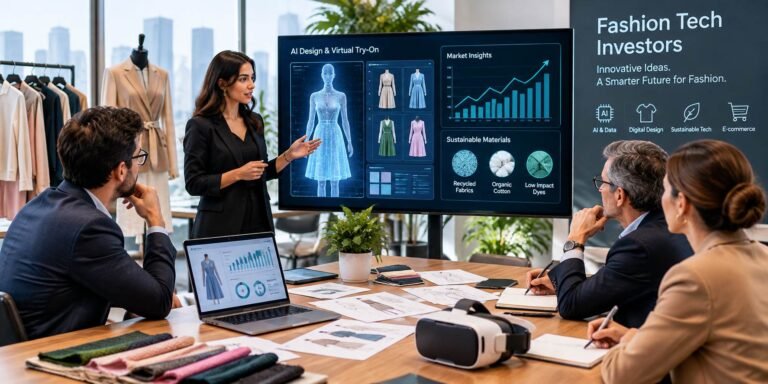
Digital technology may also support virtual fashion shows, online product displays, and 3D garment previews. These tools allow customers and business teams to view a design before it reaches production.
Technology will not replace imagination. Instead, it can give designers more ways to develop and present their ideas.
2. Artificial Intelligence and Fashion
Artificial intelligence is becoming more visible across the fashion industry. It can help businesses study customer interests, organize product information, and identify patterns in shopping behavior.
For designers, AI-based tools may support tasks such as:
- Exploring color combinations.
- Creating early design concepts.
- Studying fashion trends.
- Organizing visual references.
- Testing different design directions.
- Supporting product planning.
However, AI-generated ideas should not be treated as finished designs without human review. Designers still need to consider originality, fit, fabric quality, cultural meaning, and customer needs.
A strong designer will use technology as a creative assistant while keeping personal judgment at the center of the process.
3. Sustainable Fashion Design
Sustainability is one of the major topics influencing modern fashion. Traditional clothing production can involve large amounts of water, energy, chemicals, and raw materials. Waste can also occur when businesses produce more clothing than customers need.
Fashion Designing Future may need to pay greater attention to the complete life of a garment. This includes the materials used, the way clothing is produced, how long it lasts, and what happens when the owner no longer needs it.
Some approaches include:
- Choosing recycled or responsibly sourced materials.
- Designing clothes that can be worn for many years.
- Reducing unnecessary fabric waste.
- Supporting repair and reuse.
- Creating versatile garments.
- Considering recycling at the design stage.
Sustainable design is not only about using a particular fabric. It also involves making thoughtful decisions throughout the product development process.
4. Smart Fabrics and Innovative Materials
Fabric innovation may create new possibilities for clothing. Researchers and textile companies continue to explore materials with special features, improved performance, or reduced environmental impact.
Examples include fabrics designed for better moisture management, temperature comfort, stretch, or durability. Some experimental textiles can interact with electronic components or respond to environmental conditions.
These materials may be useful in sportswear, outdoor clothing, healthcare-related products, and specialist garments.
Designers will need to understand how new fabrics behave. A material may look attractive but still be unsuitable for a particular garment if it does not offer the right comfort, strength, or care requirements.
5. Personalization and Custom Clothing
Many customers want clothing that reflects their taste, body shape, lifestyle, and personal identity. This interest may create more opportunities for custom and made-to-order fashion.
Digital measurement tools, online design options, and improved production systems can help brands offer more personalized products.
For example, a customer might choose a garment’s color, length, sleeve style, or selected details. A designer can use these preferences to create a product that feels more personal.
Personalization can also help smaller labels stand out in a competitive market. Instead of offering exactly the same products as larger brands, they can focus on individual needs and distinctive design ideas.
6. Digital Fashion and Virtual Clothing
Digital fashion involves clothing and accessories created for virtual environments. These items may appear in online games, digital events, social platforms, or virtual experiences.
Digital garments can be designed and displayed without being produced as physical clothing. This creates new creative possibilities, although the market and customer demand may vary.
Fashion designers interested in this area can explore 3D modeling, digital illustration, animation, and virtual styling.
Digital fashion is unlikely to replace everyday physical clothing. However, it may become another area of work for designers who enjoy combining art and technology.
Skills Needed for Future Fashion Designers
The fashion industry is competitive, so creative talent alone may not be enough. Designers need a mix of artistic, technical, communication, and business skills.
1. Creativity and Original Thinking
Creativity helps designers develop fresh ideas. It allows them to experiment with shapes, colors, textures, and clothing details.
Original thinking also helps a designer build a recognizable style. Instead of copying every popular look, successful creative professionals learn to study trends and develop their own interpretation.
2. Drawing and Illustration
Fashion illustration is a useful way to communicate design ideas. Designers use sketches to show garment shapes, proportions, details, and styling concepts.
Hand drawing remains valuable, while digital illustration offers additional ways to create and edit designs.
Students should practice both methods when possible. Regular drawing can improve observation, confidence, and the ability to explain ideas visually.
3. Fabric and Textile Knowledge
A designer should understand different fabrics and their properties. Cotton, denim, silk, wool, linen, polyester, and blended textiles all behave differently.
Important qualities include:
- Weight and thickness.
- Stretch and flexibility.
- Texture and appearance.
- Durability.
- Breathability.
- Care requirements.
- Suitability for different seasons.
Good fabric knowledge helps designers choose materials that match the purpose of a garment.
4. Digital Design Skills
Digital skills are becoming increasingly useful in fashion. Designers may work with illustration programs, pattern-making software, 3D design applications, and presentation tools.
Learning these programs can help students prepare professional portfolios and communicate with manufacturers.
The best software depends on the type of work a designer wants to do. It is more useful to understand a few relevant tools well than to collect many programs without practical experience.
5. Communication and Teamwork
Fashion design often involves working with other people. A designer may communicate with pattern makers, sample developers, textile suppliers, photographers, buyers, and marketing teams.
Clear communication helps prevent mistakes and keeps projects organized. Listening to feedback is also important because a design may need several changes before it is ready.
6. Business and Market Awareness
Fashion is both a creative field and a business. Designers should understand customer needs, pricing, production costs, product quality, and brand identity.
Market awareness helps them create clothing that people may actually want to buy or wear. It can also support decisions about launching a label or working with an established brand.
Career Opportunities in Fashion Designing
The future of fashion design may offer opportunities in traditional roles as well as newer areas connected with technology and sustainability.
1. Fashion Designer
Fashion designers create clothing collections for brands, retailers, studios, or their own businesses. They research ideas, select materials, develop sketches, and work with production teams.
Some focus on everyday clothing, while others specialize in formalwear, sportswear, children’s clothing, or luxury fashion.
2. Textile Designer
Textile designers develop patterns, prints, textures, and fabric concepts. Their work may be used in clothing, accessories, home textiles, and other products.
Knowledge of color, materials, printing methods, and digital design can be helpful in this career.
3. Fashion Illustrator
Fashion illustrators create visual representations of clothing and style ideas. They may work with designers, magazines, advertising teams, or independent clients.
Strong drawing skills and an understanding of garment structure are useful for this role.
4. Fashion Stylist
Fashion stylists select and coordinate clothing, accessories, and overall looks for individuals, photoshoots, campaigns, and events.
They need a strong understanding of clothing combinations, body proportions, color, and current trends.
5. Fashion Product Developer
Product developers help turn design ideas into finished products. They may work on samples, materials, measurements, costs, quality, and production schedules.
This role suits people who enjoy both creative planning and practical problem-solving.
6. Sustainable Fashion Specialist
Sustainable fashion specialists work on ways to reduce the environmental impact of clothing businesses. Their tasks may involve material research, production methods, waste reduction, and responsible sourcing.
This field can suit people who are interested in fashion as well as environmental responsibility.
7. Digital Fashion Designer
Digital fashion designers create clothing and accessories for virtual use. They may work with 3D software, digital models, virtual environments, or online fashion experiences.
A combination of design knowledge and technical ability can be useful in this growing area.
8. Fashion Entrepreneur
Some designers choose to start their own clothing labels or online fashion stores. This path offers creative freedom but also requires business planning.
Entrepreneurs need to consider product development, suppliers, pricing, customer service, branding, marketing, and financial management.
How Technology May Change the Fashion Design Process
Technology can influence almost every stage of fashion development, from the first sketch to the final product.
Digital Sketching and 3D Design
Designers can use digital tools to create garment illustrations and three-dimensional previews. These previews may help teams review shape, fit, color, and construction before making physical samples.
This can reduce some unnecessary steps, although physical testing remains important for checking real fabric behavior and garment comfort.
Virtual Sampling
Virtual sampling allows design teams to review digital versions of products. It may help brands compare options and make early decisions without producing every sample physically.
The usefulness of this approach depends on the accuracy of the digital model and the needs of the garment.
Online Trend Research
Fashion professionals can study online searches, customer reviews, social media discussions, and sales information to understand what people are interested in.
These sources can provide useful signals, but designers should not follow every short-lived trend. They must decide which ideas fit their brand and audience.
Improved Production Planning
Digital systems can help teams organize designs, materials, measurements, and production information. Better planning may reduce confusion and support more efficient work between departments.
Technology is most useful when it solves a real problem rather than being added simply because it is new.
The Role of Education in the Future of Fashion Designing
Education can help aspiring designers build a strong foundation. Fashion courses may cover drawing, garment construction, textile science, pattern making, fashion history, and design development.
Some programs also include digital design, merchandising, business, and sustainability.
Students do not always need to follow the same educational path. A university degree, diploma, short course, apprenticeship, or independent learning plan may each provide useful experience.
The right choice depends on a person’s goals, budget, location, and preferred learning style.
Build a Strong Fashion Portfolio
A portfolio is a collection of work that shows a designer’s skills and creative thinking. It can include:
- Original clothing sketches.
- Mood boards and color stories.
- Fabric and texture research.
- Finished garment photographs.
- Pattern-making examples.
- Digital design projects.
- Short explanations of the design process.
A focused portfolio is often more effective than a large collection of unrelated work. It should clearly show what the designer can create and how ideas develop from concept to final result.
Gain Practical Experience
Practical experience helps students understand how fashion works outside the classroom. Internships, small design projects, sewing practice, volunteer work, and collaborations can all build useful skills.
Working on real projects can also help beginners understand deadlines, customer expectations, teamwork, and production limits.
Challenges That Future Fashion Designers May Face
Although fashion design offers many opportunities, it also comes with challenges. Understanding these issues can help new designers prepare more realistically.
Strong Competition
Many people want to work in fashion. Building a successful career may take time, patience, and regular practice.
A designer can improve their chances by developing a clear specialty, creating a strong portfolio, and building professional relationships.
Fast-Changing Trends
Trends can change quickly, especially on social media. Designers may feel pressure to produce new ideas constantly.
However, not every trend has long-term value. A strong creative direction and knowledge of the target customer can help designers make better decisions.
Production Costs
Fabric, labor, equipment, shipping, and marketing can make clothing production expensive. Independent designers may find it difficult to manage these costs when starting a business.
Careful budgeting, small production runs, and reliable suppliers can help reduce some risks.
Environmental Responsibility
Fashion businesses face growing questions about waste, materials, and production practices. Designers may need to balance cost, quality, customer expectations, and environmental goals.
There is no single solution for every product. Responsible decisions require research and a clear understanding of the supply chain.
Keeping Up With Technology
New software and digital methods continue to appear. Designers must decide which tools are worth learning and how to use them effectively.
A practical approach is to focus on technology that supports a person’s career goals instead of trying to learn every new tool.
How to Prepare for a Career in Future Fashion Design
People who want to enter the fashion industry can take several practical steps.
- Learn the basics: Study garment construction, fabric types, color, and design principles.
- Practice regularly: Sketch clothing ideas and experiment with different styles.
- Explore digital tools: Learn software that supports your chosen area of fashion.
- Study the market: Observe customer needs, brand identity, and changing trends.
- Understand sustainability: Learn about material choices, garment quality, and waste reduction.
- Create a portfolio: Present your strongest projects in a clear and professional way.
- Gain experience: Look for internships, practical projects, or opportunities to work with small brands.
- Build connections: Communicate with other designers, students, suppliers, and fashion professionals.
Progress may be gradual, but consistent learning can help aspiring designers become more confident and capable.
Is Fashion Designing a Good Career for the Future?
Fashion design can be a rewarding career for people who enjoy creativity, clothing, problem-solving, and visual communication. The industry includes many different roles, so individuals do not have to become clothing designers to work in fashion.
Some people may prefer textile design, styling, product development, digital fashion, or fashion business. Others may want to create their own brand.
Career opportunities and income can vary based on location, experience, education, specialization, and business conditions. Therefore, it is important to research the requirements of a chosen role before making a long-term decision.
The most useful approach is to combine creative ability with practical skills. Designers who understand materials, customers, technology, and production may be better prepared to respond to industry changes.
What Will Fashion Designing Look Like in the Next Decade?
The next decade may bring more connections between physical clothing and digital experiences. Designers could use improved software, smarter production systems, and new materials to explore different ways of creating garments.
Sustainable design may also become more important as brands and customers pay closer attention to product quality, waste, and material choices.
Personalization could influence how clothing is designed and sold. Instead of relying only on large collections, some brands may offer more made-to-order options or flexible product choices.
At the same time, traditional skills such as sewing, pattern making, fabric selection, and fitting will remain valuable. New tools can support these skills, but they cannot remove the need to understand how clothing works in real life.
The future will likely belong to designers who can combine imagination, technical knowledge, and a clear understanding of people.
Conclusion
The fashion designing future offers exciting possibilities for creative people who are ready to learn and adapt. Technology, artificial intelligence, sustainable materials, digital clothing, and personalized products are influencing how the industry develops.
However, creativity and practical design knowledge will remain essential. Drawing, fabric selection, garment construction, communication, and business awareness can help designers build a strong foundation.
For students and aspiring professionals, now is a useful time to explore different areas of fashion, develop new skills, and create a portfolio. The industry will continue to change, but thoughtful design and a clear creative vision will always have an important place.
Frequently Asked Questions
1. What is the future of fashion designing?
The future of fashion designing is expected to involve more digital tools, sustainable materials, personalized clothing, and new ways to create and present fashion products.
2. Is fashion designing a good career choice?
Fashion designing can be a good career for people who enjoy creativity and clothing. Opportunities exist in design, styling, textiles, product development, digital fashion, and fashion business.
3. Which skills will future fashion designers need?
Useful skills include creativity, drawing, fabric knowledge, garment construction, digital design, communication, trend research, and business awareness.
4. Will AI replace fashion designers?
AI may support research and early design tasks, but human designers are still needed for creative judgment, garment fit, material selection, originality, and understanding customer needs.
5. How can I prepare for a fashion design career?
Start by learning design basics, practicing drawing, understanding fabrics, exploring digital tools, creating a portfolio, and gaining practical experience.
6. What is sustainable fashion design?
Sustainable fashion design focuses on making thoughtful choices about materials, production, garment quality, waste, and product life.
7. Can I become a fashion designer without a degree?
Some people enter fashion through diplomas, short courses, apprenticeships, independent learning, and practical experience. Requirements vary by employer and career path.
8. What are the new areas in fashion designing?
Emerging and developing areas include digital fashion, 3D garment design, smart textiles, sustainable product development, and personalized clothing.


2 Comments