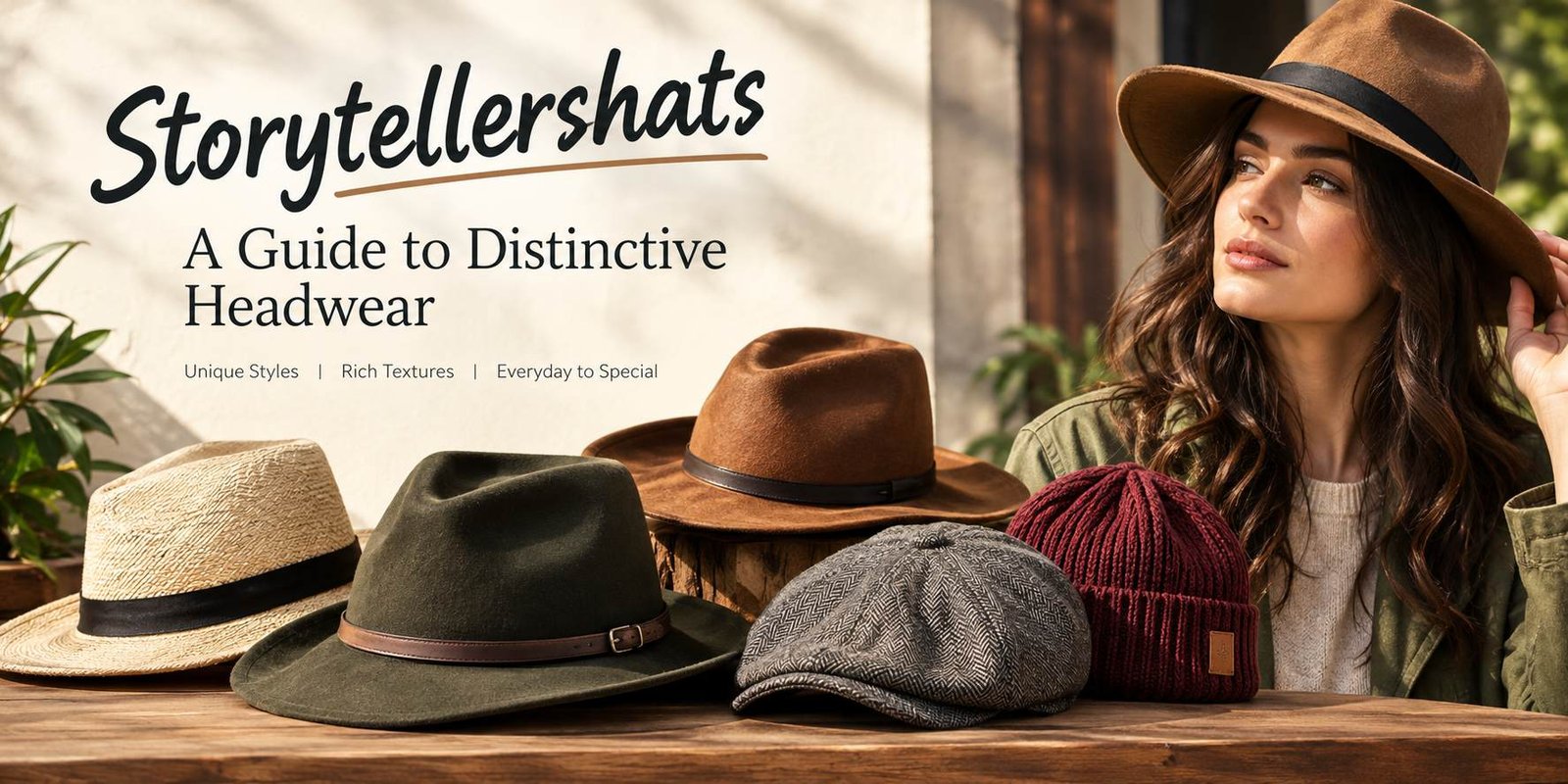
Storytellershats: A Guide to Distinctive Headwear
Storytellershats is an interesting topic for people who enjoy unusual headwear and noticeable fashion details. A hat can change the character of an outfit through its shape, fabric, color, or small details around the crown. The most memorable pieces are often those that look different without becoming difficult to wear.
A Hat Can Set the Mood
A hat can influence the overall feeling of an outfit before anyone notices the smaller accessories. A structured design may look polished, while a softer shape can create a relaxed impression.
Choose a Shape That Suits the Outfit
Consider the clothing you already wear before choosing a hat. Simple outfits can handle more noticeable headwear, while patterned clothing may work better with a quieter design.
Look Beyond the Obvious Details
The appeal of a hat is not always found in its main shape. Stitching, bands, buttons, woven surfaces, and unusual materials can give an otherwise simple piece a stronger identity.
Small Details Can Make a Difference
A narrow band may create a clean appearance, while a wider decorative element can make the hat more noticeable. These details are worth checking when comparing different styles.
What Makes Storytellershats Feel Distinctive?
Storytellershats Storytellershats stands out as a style idea because it focuses on headwear with character rather than simply following the most common fashion choices. Shape, proportion, texture, and color can all contribute to that individual appearance.
Shape and Material
A firm material can create a sharper silhouette, while softer fabrics may produce a more casual result. The material also affects how comfortable the hat feels during longer periods of wear.
The Importance of Proportion
A hat should look balanced with the rest of an outfit. A very large design can become the main visual feature, while a smaller style may blend more easily with everyday clothing.
Consider Your Clothing
Look at the neckline, jacket shape, and overall volume of the outfit. These details can help determine whether a particular hat feels balanced or oversized.
Color Does Not Have to Match
A hat does not need to be identical to the rest of an outfit. Similar tones can create a subtle connection, while a contrasting shade can make the accessory more noticeable.
Try Unexpected Combinations
Neutral clothing provides plenty of room to experiment. A deeper color, muted pattern, or textured hat can add interest without making the outfit complicated.
Texture Changes the Experience
Texture affects both appearance and comfort. Felt, wool, cotton, straw, and woven materials each create a different visual effect.
Think About the Season
Lightweight textures usually work well in warm weather, while heavier materials can feel more suitable during colder months. Choosing according to the season also makes the hat more practical.
Think About Where You Will Wear It
A dramatic hat may be enjoyable for an event but less convenient for daily errands. The setting should therefore be part of the decision.
Everyday or Special Occasion?
For regular use, comfort and easy styling are important. Occasion-focused pieces can be more decorative because they do not need to work with as many situations.
An Uncomplicated Outfit Can Work Best
Distinctive headwear does not always need an elaborate outfit around it. Basic clothing can provide enough space for the hat to become the main feature.
Keep Other Accessories Simple
When the hat already attracts attention, fewer competing accessories can create a cleaner result. A simple bag or understated jewelry may be enough.
Wearing a Hat During Cooler Months
Cold-weather clothing offers many opportunities to combine hats with coats, knitwear, scarves, and boots.
Pairing Hats With Winter Layers
Choose materials that make sense with the weight of your clothing. A heavier hat can sit naturally alongside a coat, while a lighter option may suit a casual sweater.
Keeping Things Light in Warm Weather
Warm weather calls for breathable materials and designs that do not feel heavy on the head.
Summer-Friendly Materials
Straw, cotton, and lightweight woven fabrics can be useful choices when temperatures rise. Their textures can also add a relaxed seasonal touch.
How to Tell if the Fit Is Wrong
Even an attractive hat will not work well if it feels uncomfortable. Pressure around the forehead, excessive movement, or a loose fit can all indicate that the size is not right.
Check the Fit Before Buying
The hat should stay in position without feeling tight. If possible, try moving your head naturally while wearing it to see whether the hat remains secure.
Taking Care of a Favorite Hat
Proper storage can help preserve the shape and appearance of headwear. Leaving a hat crushed under other items can cause unwanted creases or deformation.
Store It Carefully
Keep hats away from unnecessary moisture and direct heat. Structured pieces may benefit from being stored where the crown and brim are not pressed by other objects.
Buying Less Can Be More Useful
Owning many hats is not always necessary. A small selection of pieces that suit different outfits and occasions can be easier to use.
Choose Pieces You Will Actually Wear
Before buying another hat, consider whether it works with clothing already in your wardrobe. Practical choices tend to receive more use than impulse purchases.
Let Your Taste Develop Naturally
Personal preferences often become clearer after trying different shapes, materials, and colors. There is no need to settle on one style immediately.
Experiment Without Overthinking
Trying something unfamiliar can reveal combinations you may not have considered before. Over time, those experiments can help you identify the types of headwear you genuinely enjoy.
Final Thoughts
Storytellershats highlights the appeal of headwear that has its own character. Shape, proportion, material, color, comfort, and occasion all matter when choosing a distinctive piece. Instead of focusing only on current trends, consider what feels practical and visually interesting for your own wardrobe.




One Comment