

Fashion Jewellery: Styles, Trends & Styling Tips
Fashion jewellery is an important part of modern personal style. It helps people express their personality, add detail to simple outfits, and create memorable looks for different occasions. From delicate necklaces and elegant earrings to statement rings and layered bracelets, the right accessories can make an outfit feel complete.
Unlike fine jewellery, which often uses precious metals and gemstones, fashion jewellery includes a wide range of affordable designs made from different materials. These pieces allow people to experiment with colours, shapes, textures, and trends without making a large investment.
Today, fashion jewellery is available in countless styles. Some designs are inspired by traditional craftsmanship, while others follow modern fashion movements. Minimalist pieces are popular for everyday wear, whereas bold accessories can create an attractive look for parties, celebrations, and special events.
However, choosing the right jewellery involves more than following trends. It is also important to consider quality, comfort, outfit coordination, and personal preferences.
This guide explores fashion jewellery styles, popular materials, current design directions, styling ideas, shopping tips, and proper jewellery care. Whether you prefer simple accessories or eye-catching statement pieces, you will discover practical ways to make jewellery an important part of your wardrobe.
What Is Fashion Jewellery?
Fashion jewellery refers to decorative accessories designed to complement clothing and personal appearance. It includes necklaces, earrings, bracelets, rings, anklets, brooches, and many other decorative pieces.
These accessories are generally made using non-precious or mixed materials. Common examples include stainless steel, brass, copper, glass, acrylic, artificial stones, beads, and plated metals.
Fashion jewellery is sometimes called costume jewellery. Both terms describe decorative accessories that are not necessarily made from solid precious metals or valuable natural gemstones.
One of its biggest advantages is variety. Shoppers can find affordable pieces in traditional, modern, vintage, minimalist, and experimental designs.
For example, a simple chain necklace can create an elegant everyday look. On the other hand, oversized earrings or a colourful statement necklace can become the main feature of an evening outfit.
Fashion jewellery gives people the freedom to change their appearance without changing their entire wardrobe.
Why Is Fashion Jewellery Popular?
Fashion jewellery has become an important part of the global accessories market. People use it to express their identity, follow fashion trends, and add variety to their clothing.
Several reasons explain its popularity.
Affordable Style Choices
Fine jewellery can be expensive, especially when it includes gold, platinum, diamonds, or other precious materials. Fashion jewellery provides an alternative for people who want attractive designs at more accessible prices.
This makes it easier to purchase different accessories for different outfits and occasions.
Instead of wearing the same expensive necklace every day, someone can build a small collection of affordable pieces with different colours and designs.
More Design Variety
Fashion jewellery comes in an extensive range of shapes, sizes, and finishes.
Shoppers can choose delicate chains, geometric earrings, colourful beads, layered necklaces, chunky bracelets, and decorative rings.
Because these products are available in so many designs, people can explore different fashion styles without making a major financial commitment.
Personal Expression
Accessories can communicate something about personal taste. Some people prefer simple silver-toned jewellery, while others enjoy bright colours and dramatic designs.
A person who likes classic clothing may choose pearl earrings and delicate necklaces. Someone who prefers contemporary streetwear may select chunky chains or unusual geometric accessories.
Fashion jewellery makes it possible to create an individual look through small but meaningful details.
Suitable for Different Occasions
Another reason for its popularity is versatility.
A simple pair of studs can work for everyday activities, while decorative earrings may be more suitable for weddings and parties. Similarly, a small pendant can complement office clothing, whereas a layered necklace can create a relaxed weekend appearance.
This flexibility makes jewellery useful throughout the year.
Different Types of Fashion Jewellery
Fashion jewellery includes several categories, each offering different styling opportunities. Understanding these options can help you build a collection that suits your wardrobe.
1. Fashion Necklaces
Necklaces are among the most popular jewellery accessories. They come in different lengths, shapes, materials, and decorative styles.
Pendant necklaces: These necklaces feature a decorative element hanging from a chain. Pendants may include hearts, initials, flowers, geometric shapes, or small artificial stones.
Choker necklaces: Chokers sit close to the neck. They can create a modern appearance when paired with open-neck tops, dresses, and evening outfits.
Layered necklaces: Layered designs combine multiple chains or necklaces of different lengths. They add depth and visual interest to simple clothing.
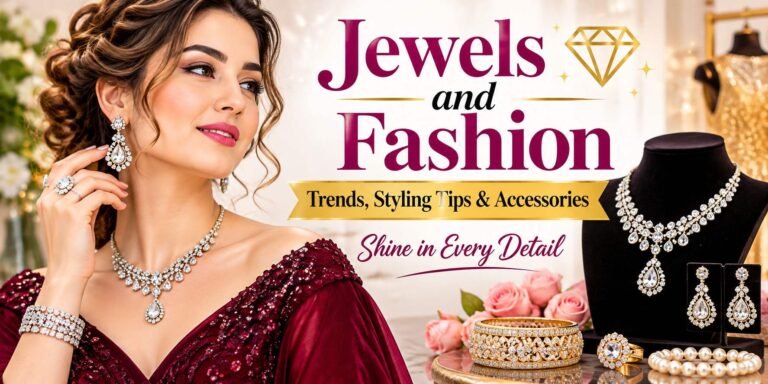
Statement necklaces: These pieces feature bold shapes, large decorative elements, or colourful materials. They are often used as the main accessory in an outfit.
When selecting a necklace, consider the neckline of your clothing. A short necklace can work well with an open neckline, while a longer chain may complement a simple crew-neck top.
2. Fashion Earrings
Earrings frame the face and can change the overall appearance of an outfit.
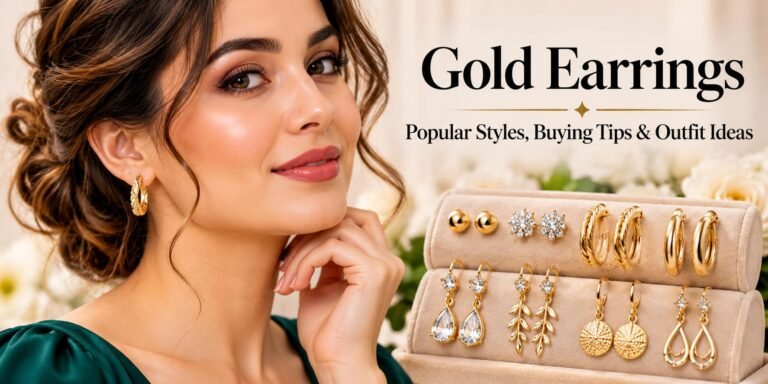
Stud earrings: Small studs are suitable for everyday use. They usually feature a simple stone, metal shape, pearl-style detail, or decorative design.
Hoop earrings: Hoop earrings are circular or oval-shaped accessories. Small hoops create a subtle look, while large hoops can make an outfit more noticeable.
Drop earrings: These designs hang below the earlobe and are available in simple and decorative styles.
Statement earrings: Large or colourful earrings can become the focal point of an outfit. They are often chosen for parties, celebrations, and special occasions.
When choosing earrings, consider their weight and comfort. Very heavy designs may feel uncomfortable during extended wear.
3. Fashion Bracelets
Bracelets are worn around the wrist and can be styled individually or together.
Popular options include:
- Chain bracelets with delicate links.
- Bangle bracelets with solid circular shapes.
- Beaded bracelets made with decorative beads.
- Cuff bracelets with wider designs.
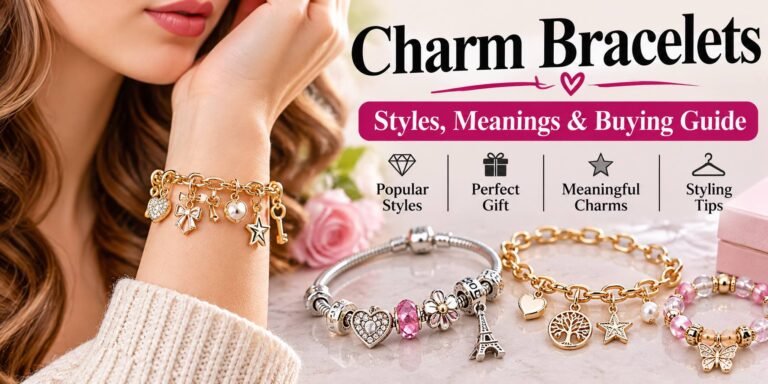
- Charm bracelets featuring small decorative elements.
A delicate bracelet can complement a professional outfit, while several colourful bracelets may create a relaxed summer appearance.
However, avoid wearing too many large pieces together if you want to maintain a balanced look.
4. Fashion Rings
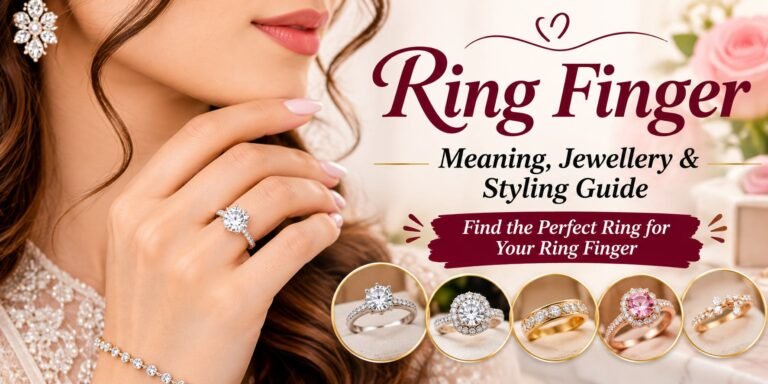
Fashion rings are available in simple and decorative designs.
Some people prefer thin bands that can be worn every day. Others enjoy larger rings with artificial gemstones, unusual shapes, or textured finishes.
Popular ring styles include:
- Stackable rings.
- Cocktail rings.
- Adjustable rings.
- Geometric rings.
- Minimalist bands.
- Decorative statement rings.
Stacking allows several smaller rings to be worn together. This creates a personalised appearance and gives people more opportunities to experiment with their accessories.
5. Fashion Anklets
Anklets are decorative accessories worn around the ankle. They are especially popular with summer clothing, sandals, and casual outfits.
Common designs include delicate chains, small charms, beads, and shell-inspired details.
Anklets can be worn with dresses, skirts, cropped trousers, and beachwear. Choose a comfortable size so that the accessory does not feel too tight or move excessively.
6. Brooches and Decorative Pins
Brooches are decorative accessories that can be attached to clothing, scarves, jackets, and bags.
They may feature flowers, abstract shapes, animals, initials, or vintage-inspired designs.
A small brooch can add personality to a blazer or coat. Larger designs can become an interesting feature on otherwise simple clothing.
Popular Fashion Jewellery Materials
The material used to make jewellery affects its appearance, durability, price, and maintenance requirements.
Before buying fashion jewellery, it is useful to understand the most common materials.
Stainless Steel
Stainless steel is widely used in modern accessories. It is known for its strength and resistance to rust under normal conditions.
Many stainless steel pieces have a polished silver-coloured finish. Some designs also use gold-coloured or other decorative coatings.
This material is a practical option for people who want jewellery that can handle regular use.
However, the quality of the finish and the type of coating still matter. Not every stainless steel accessory has the same level of durability.
Brass
Brass is an alloy mainly made from copper and zinc. It is frequently used for decorative jewellery because it can be shaped into different designs.
Brass accessories may have gold-toned, antique, or polished finishes.
Some pieces receive additional coatings to improve their appearance. These coatings may wear away over time, depending on their quality and how the jewellery is used.
Copper
Copper has a warm reddish-brown colour. It is used in bracelets, rings, and other decorative accessories.
Some jewellery designers use copper because of its natural appearance and ability to create distinctive finishes.
However, copper can react with moisture and skin chemistry. This may cause the metal to change colour or leave temporary marks on the skin.
Acrylic and Resin
Acrylic and resin materials allow designers to create colourful and creative jewellery.
They can be used for large earrings, statement rings, decorative beads, and modern necklaces.
These materials are often lightweight, which makes them suitable for oversized designs that might otherwise feel too heavy.
Glass and Artificial Stones
Glass beads and artificial gemstones are commonly used to create decorative accessories.
They can imitate the appearance of colourful gemstones while offering a wide range of shapes and colours.
The quality of these materials varies. Check the setting and finish to make sure decorative stones are attached securely.
Pearls and Pearl-Style Materials
Pearl-inspired jewellery remains popular because of its elegant appearance.
Some fashion jewellery uses natural freshwater pearls, while other pieces use imitation pearls made from glass, plastic, or coated materials.
These options can create different price points and appearances.
When shopping, check product descriptions carefully so you know whether the pearls are natural, cultured, or imitation.
Fashion Jewellery Trends for Modern Wardrobes
Jewellery trends change over time, but several design directions continue to influence modern accessories.
Minimalist Jewellery
Minimalist jewellery focuses on simple shapes, delicate details, and clean finishes.
Thin chains, small hoops, narrow rings, and subtle pendants are common examples.
These pieces are suitable for people who prefer accessories that do not overpower their clothing.
Minimalist designs also work well for layering because they can be combined without making an outfit look too crowded.
Chunky Jewellery
Chunky jewellery features larger shapes, thicker chains, and bold decorative details.
Oversized hoops, wide bracelets, and heavy-looking necklaces can create a strong visual effect.
These pieces are often paired with simple clothing so that the accessories remain noticeable.
For example, a chunky necklace can add interest to a plain black dress or white shirt.
Layered Necklaces
Layering is a popular way to create a personalised jewellery look.
The technique involves wearing two or more necklaces with different lengths, shapes, or textures.
A simple combination might include a short chain, a small pendant, and a longer necklace.
For a balanced result, choose pieces that complement one another rather than competing for attention.
Colourful Accessories
Bright colours can make jewellery more playful and expressive.
Beaded necklaces, colourful earrings, resin rings, and decorative bracelets are useful options for people who enjoy experimenting with fashion.
Colourful jewellery can be especially attractive with neutral outfits because it creates contrast.
Vintage-Inspired Designs
Vintage-inspired jewellery takes ideas from earlier fashion periods.
Popular details may include decorative flowers, antique-style finishes, ornate shapes, pearls, and geometric patterns.
These accessories can add character to both traditional and contemporary outfits.
Nature-Inspired Jewellery
Nature-inspired accessories feature designs based on flowers, leaves, shells, insects, and other natural forms.
They can create a delicate or artistic appearance, depending on their size and materials.
These designs are often suitable for spring and summer outfits.
How to Style Fashion Jewellery With Different Outfits
Choosing attractive jewellery is only one part of creating a good look. The way you combine accessories with clothing also matters.
Everyday Casual Outfits
For everyday wear, choose comfortable accessories that do not interfere with your routine.
Small hoops, stud earrings, thin necklaces, and simple bracelets can complement jeans, T-shirts, casual dresses, and shirts.
If your outfit already contains bright colours or bold prints, subtle jewellery may create a more balanced appearance.
Office and Professional Clothing
Professional outfits often benefit from simple and polished accessories.
Consider small earrings, a delicate chain, a classic watch, or a narrow bracelet.
For a business meeting, avoid accessories that make excessive noise or interfere with your work.
Neutral metallic finishes are easy to coordinate with office clothing.
Party and Evening Outfits
Evening events provide an opportunity to experiment with statement jewellery.
Large earrings, decorative rings, layered necklaces, and bold bracelets can work well with party dresses and evening clothing.
However, you do not need to wear every statement accessory at once.
Choose one main feature, such as dramatic earrings or a bold necklace, and keep the remaining jewellery relatively simple.
Wedding and Celebration Looks
Weddings and celebrations often include traditional clothing and decorative details.
Fashion jewellery can complement formal dresses, embroidered outfits, and festive clothing.
Pearl-style earrings, layered necklaces, decorative bangles, and stone-inspired accessories are common choices.
Match the overall style of the jewellery with your clothing. For heavily decorated outfits, smaller accessories may be more suitable.
Summer and Beach Outfits
Summer fashion often includes lighter fabrics, open necklines, and relaxed silhouettes.
Beaded necklaces, shell-inspired designs, delicate anklets, and colourful bracelets can complement these outfits.
However, take care when wearing jewellery near swimming pools or the sea. Chlorine, salt water, sunscreen, and moisture may damage some finishes.
How to Match Jewellery With Clothing Colours
Colour coordination can help accessories look more connected to an outfit.
Gold-Toned Jewellery
Gold-toned jewellery often works well with warm colours such as brown, cream, beige, olive, orange, and burgundy.
It can also create an attractive contrast with black and white clothing.
Silver-Toned Jewellery
Silver-toned accessories pair easily with black, grey, navy, white, and cool shades.
They can create a clean and contemporary appearance, especially with minimalist clothing.
Rose Gold Jewellery
Rose gold has a soft pinkish metallic appearance.
It can complement neutral clothing, pastel shades, and some warm colours.
Colourful Jewellery
Colourful jewellery works well when it connects with one or two colours already present in the outfit.
For example, blue earrings can complement a blue handbag or a small detail in a printed dress.
You can also use bright accessories to create contrast with neutral clothing.
How to Choose Fashion Jewellery for Your Personal Style
Not every jewellery trend will suit every person. The best accessories are the ones that fit your preferences, clothing habits, and comfort requirements.
Consider Your Daily Wardrobe
Start by looking at the clothes you wear most often.
If your wardrobe contains many neutral outfits, colourful jewellery may provide variety. If you usually wear printed or heavily decorated clothing, simple accessories may be easier to coordinate.
Think About Comfort
Comfort is an important part of jewellery selection.
Check earring weight, bracelet closures, ring sizes, and necklace lengths before purchasing.
If you have sensitive skin, pay particular attention to the metal composition. Nickel and certain other metals can cause allergic reactions in some people.
Choose clearly labelled materials and stop wearing any item that causes irritation.
Select Versatile Designs
A versatile accessory can be worn with several outfits.
For example, small gold-toned hoops may work with casual clothing, office outfits, and evening dresses.
Buying a few adaptable pieces can be more useful than purchasing many accessories that only match one outfit.
Understand Your Budget
Fashion jewellery is available at different prices.
Instead of focusing only on the cheapest option, consider the quality of the material, finishing, construction, and expected frequency of use.
A well-made everyday accessory may offer better value than several poorly finished pieces.
Fashion Jewellery Shopping Tips
Shopping carefully can help you avoid disappointing purchases.
Read the material description: Check whether an item is made from stainless steel, brass, copper, plated metal, acrylic, or another material.
Look at product photographs: Examine the clasp, setting, finish, and overall construction.
Check the dimensions: Product photographs can make jewellery look larger or smaller than it really is. Review measurements before buying.
Understand the coating: Gold-plated and silver-plated products are different from solid gold or silver. Check the description to understand what you are purchasing.
Review return policies: Make sure you understand the seller’s rules for returns and exchanges.
Check customer feedback: Reviews may provide useful information about size, comfort, colour, and product quality.
Choose secure fastenings: Clasps, earring backs, and ring settings should feel secure and properly finished.
These simple steps can make online jewellery shopping more reliable.
How to Care for Fashion Jewellery
Fashion jewellery can maintain its appearance for longer when it receives proper care.
Different materials require different maintenance methods, but a few general habits can help protect most accessories.
Keep Jewellery Away From Moisture
Water, sweat, perfumes, lotions, and cleaning products may affect jewellery finishes.
Remove accessories before swimming, showering, exercising, or using household cleaning products.
Store Pieces Separately
Keep necklaces, earrings, bracelets, and rings in separate compartments when possible.
This reduces tangling and prevents pieces from scratching one another.
Soft pouches and lined jewellery boxes can help protect delicate accessories.
Clean Gently
Use a soft, dry cloth to remove fingerprints, dust, and light residue.
Avoid strong chemicals unless the manufacturer specifically recommends them.
Some materials, coatings, pearls, and decorative stones may require special cleaning methods.
Put Jewellery On Last
A useful habit is to apply perfume, lotion, sunscreen, and hair products before putting on jewellery.
This reduces direct contact between accessories and cosmetic products.
Check Clasps and Settings
Inspect jewellery occasionally for loose stones, damaged clasps, and worn connections.
Repairing a small problem early may prevent an accessory from breaking or becoming lost.
Fashion Jewellery and Sustainable Shopping
As people become more aware of environmental issues, responsible jewellery shopping is receiving greater attention.
Fashion jewellery can involve different materials, manufacturing processes, packaging, and transportation methods. Therefore, it is useful to consider how products are made and how long they are likely to last.
Buy Fewer, Better-Made Pieces
A practical approach is to choose accessories that can be worn regularly rather than purchasing every new trend.
Durable designs may reduce the need for frequent replacements.
Explore Second-Hand Jewellery
Vintage and second-hand jewellery can offer unique designs while giving existing products another period of use.
Some older accessories also feature craftsmanship and decorative details that are difficult to find in mass-produced collections.
Check Brand Information
Look for brands that explain their materials, production practices, and packaging choices.
Clear information makes it easier to understand what you are buying.
Avoid assuming that a product is sustainable simply because its marketing uses words such as natural, green, or eco-friendly.
Take Care of Existing Accessories
Proper cleaning, storage, and occasional repairs can help extend the useful life of jewellery.
Taking care of pieces you already own is a simple way to reduce unnecessary replacement purchases.
Common Fashion Jewellery Mistakes to Avoid
Even attractive accessories can look out of place when they are not styled carefully.
Here are some mistakes worth avoiding.
Wearing Too Many Statement Pieces
Large earrings, chunky necklaces, and oversized bracelets can compete for attention when worn together.
Choose one main statement accessory and let the other pieces support it.
Ignoring Outfit Necklines
A necklace should work with the neckline of your clothing.
A long pendant may look attractive with a simple top, while a short necklace may complement an open neckline.
Consider the shape of the garment before choosing your accessories.
Choosing Uncomfortable Earrings
Heavy earrings may look attractive in photographs but can become uncomfortable during long events.
Consider the weight and fastening before purchasing them.
Mixing Too Many Different Styles
Mixing jewellery styles can create an interesting look, but random combinations may appear unbalanced.
Try to connect pieces through a similar colour, finish, shape, or design theme.
Forgetting Jewellery Maintenance
Leaving accessories exposed to moisture, perfume, and dust may reduce their appearance.
Simple storage and cleaning habits can make a noticeable difference.
Building a Fashion Jewellery Collection
You do not need a large collection to create attractive outfits. A few useful pieces can provide plenty of styling options.
Start with small everyday earrings, such as simple studs or hoops. Add a delicate necklace that works with several necklines.
Next, choose a bracelet or watch-style accessory for everyday use. A versatile ring can also become part of your regular wardrobe.
After building a basic collection, consider adding one or two statement pieces for parties and special occasions.
For example, a colourful necklace or decorative earrings can bring new life to clothing you already own.
Think about how each item will work with your existing wardrobe before purchasing it. This approach can help you avoid unnecessary spending and make better use of your accessories.
Frequently Asked Questions About Fashion Jewellery
What is the difference between fashion jewellery and fine jewellery?
Fashion jewellery is generally made from materials such as brass, stainless steel, glass, acrylic, artificial stones, and plated metals. Fine jewellery typically uses precious metals and may include natural or cultured gemstones. Their materials, prices, and care requirements can differ significantly.
Is fashion jewellery suitable for everyday wear?
Yes. Many fashion jewellery designs are suitable for regular use. Simple necklaces, lightweight earrings, and comfortable bracelets are practical choices. However, durability depends on the material, construction, and care.
Does fashion jewellery lose its colour?
Some fashion jewellery can lose its colour or coating over time. Exposure to moisture, sweat, perfume, and chemicals may speed up this process. Proper storage and careful handling can help preserve its appearance.
Can fashion jewellery cause skin irritation?
Yes. Certain metals and coatings may cause irritation or allergic reactions in sensitive individuals. Check material information before buying, particularly if you have previously experienced metal allergies.
What fashion jewellery is best for everyday outfits?
Small hoop earrings, simple studs, delicate chains, minimalist rings, and lightweight bracelets are versatile choices. They can complement casual clothing, office outfits, and many other everyday looks.
How can I make fashion jewellery look expensive?
Choose clean designs, polished finishes, and pieces that suit your outfit. Avoid damaged coatings and poorly attached decorative elements. Simple accessories with balanced styling can create an elegant appearance without a high price.
Is fashion jewellery a good gift?
Yes. Fashion jewellery can make a thoughtful gift because it comes in many styles and price ranges. Before choosing a piece, consider the recipient’s preferred colours, clothing style, and comfort needs.
Can I mix gold and silver fashion jewellery?
Yes. Gold-toned and silver-toned accessories can be worn together. Try connecting them through a similar design, shape, or overall style to create a balanced combination.
How should I store fashion jewellery?
Store pieces in a dry jewellery box or soft pouch. Keep necklaces separated to prevent tangling and avoid storing accessories in damp areas.
What is the most versatile fashion jewellery item?
Simple earrings and delicate necklaces are among the most versatile choices. They can be worn with many clothing styles and are easy to combine with other accessories.
Final Thoughts
Fashion jewellery is a simple and creative way to improve personal style. From delicate everyday necklaces to bold statement earrings, these accessories provide countless opportunities to experiment with different looks.
The best collection does not need to be expensive or oversized. A few carefully selected pieces can complement casual clothing, professional outfits, party dresses, and traditional fashion.
When shopping, consider material quality, comfort, design, and versatility. Also, take time to care for your accessories so they remain attractive for as long as possible.
Most importantly, choose jewellery that reflects your personality. Fashion trends may change, but accessories that make you feel confident and comfortable can remain valuable parts of your wardrobe.
2 Comments