
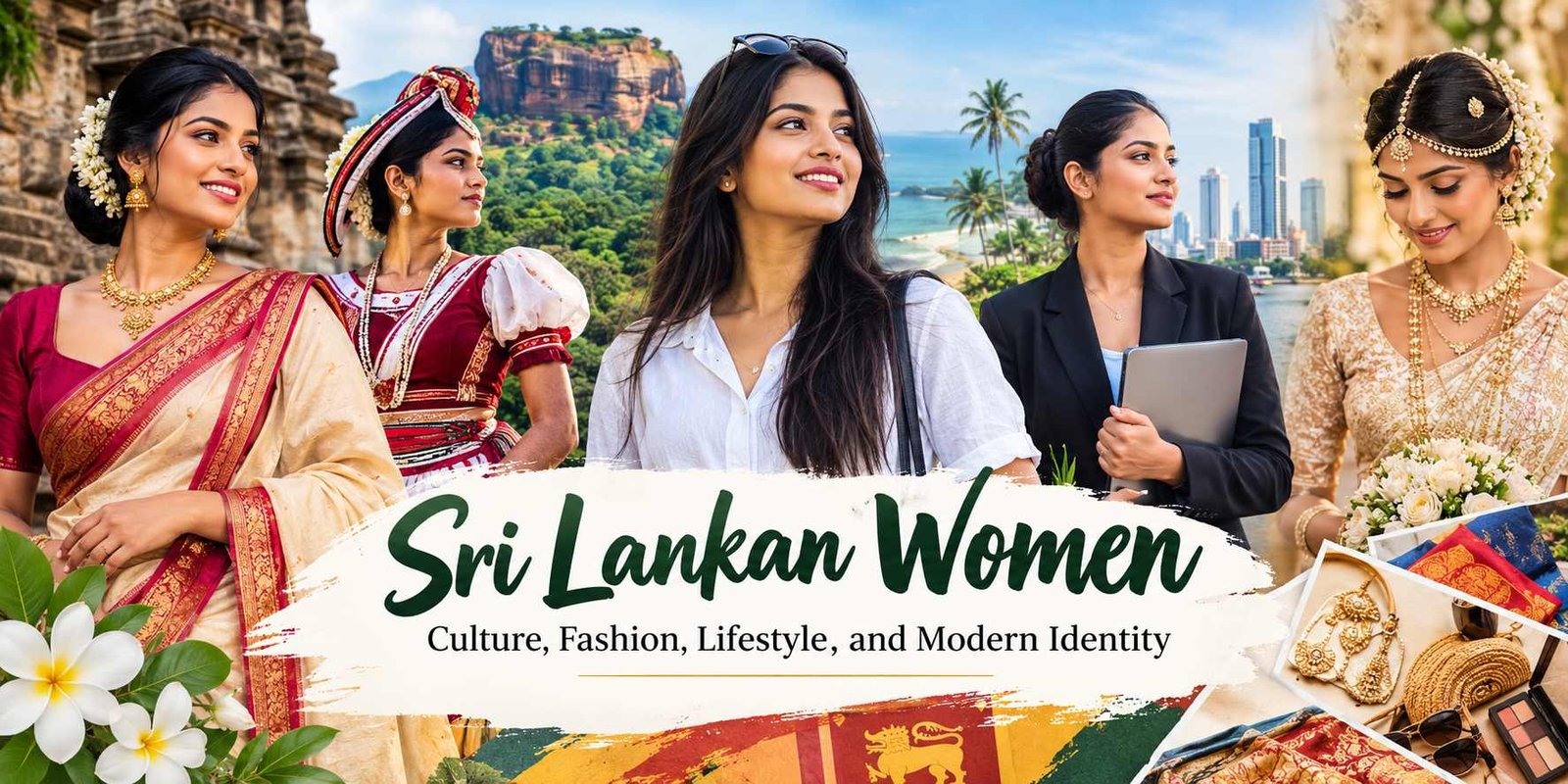
Sri Lankan Women: Culture, Fashion, Lifestyle, and Modern Identity
Sri Lanka is known for its rich cultural traditions, colorful clothing, welcoming communities, and diverse heritage. Within this culture, women have played an important role in shaping family life, education, business, fashion, arts, and modern society. Today, Sri Lankan women represent a blend of traditional values and contemporary lifestyles.
From elegant sarees and traditional dresses to modern casual outfits, Sri Lankan women have a distinctive approach to personal style. Their everyday lives also reflect the country’s mixture of Sinhalese, Tamil, Muslim, and other cultural influences.
This guide explores the culture, fashion, lifestyle, achievements, and changing identity of women in Sri Lanka while avoiding stereotypes and recognizing that individual experiences can be very different.
Understanding Sri Lankan Women and Their Cultural Background
Sri Lanka has a multicultural population with several languages, religions, and traditions. This diversity influences clothing, celebrations, food, family customs, and social life.
Women from different communities may follow different traditions. For example, clothing worn for a wedding or religious occasion can vary depending on cultural and family background.
A Blend of Traditional and Modern Values
Traditional customs remain important in many Sri Lankan families, but modern lifestyles have also become increasingly common. Education, employment, technology, travel, and international influences have changed how many people live and communicate.
As a result, women may combine traditional customs with contemporary choices in their professional and personal lives.
Sri Lankan Women’s Traditional Fashion
Fashion is one of the most visible parts of Sri Lankan culture. Traditional clothing continues to be popular for celebrations, ceremonies, weddings, religious events, and formal occasions.
The Saree
The saree is one of the most recognizable garments associated with South Asian fashion. In Sri Lanka, women may wear sarees in different fabrics, colors, patterns, and draping styles depending on the occasion.
Silk sarees can be suitable for weddings and formal celebrations, while lighter fabrics may work well for other events.
The Kandyan Saree
The Kandyan saree, often associated with the country’s hill-country traditions, has a distinctive appearance. It is especially noticeable at weddings and other important cultural events.
Its structured drape and elegant styling make it a popular choice for formal occasions.
Modern Dresses and Casual Clothing
Everyday fashion is not limited to traditional clothing. Many women wear jeans, trousers, skirts, shirts, blouses, dresses, and other contemporary outfits.
Urban areas in particular offer a wide variety of local and international fashion choices.
Beauty and Personal Style
Personal style varies considerably from one individual to another. Some women prefer traditional beauty practices, while others enjoy modern skincare, makeup, and hair trends.
Hair and Accessories
Long hairstyles, neatly arranged hair, decorative accessories, and simple everyday looks can all be found in Sri Lankan fashion.
For special events, accessories such as earrings, necklaces, bracelets, and hair decorations may be used to complement traditional clothing.
Makeup for Special Occasions
Makeup choices often depend on the event. A wedding or formal celebration may call for a more detailed look, while everyday makeup can be much simpler.
The growing availability of beauty products and online tutorials has also made international beauty trends easier to discover.
Education and Professional Life
Education has become an important part of modern life in Sri Lanka. Women participate in schools, universities, professional training programs, and a wide range of careers.
Sri Lankan women can be found working in fields such as education, healthcare, technology, finance, tourism, business, science, media, and the creative industries.
Women in Business and Entrepreneurship
Entrepreneurship has also created new opportunities. Some women operate small businesses involving fashion, food, beauty, crafts, online retail, photography, and professional services.
Social media and digital platforms can help small businesses reach customers beyond their local communities.
Sri Lankan Women and Family Life
Family remains an important part of Sri Lankan society, although family structures and lifestyles differ from household to household.
Some families maintain strong multigenerational connections, while others follow more independent urban lifestyles.
Changing Family Roles
Modern employment and education have influenced household responsibilities. Women may combine careers, education, parenting, business activities, and family commitments.
It is important to remember that there is no single lifestyle that represents every woman in Sri Lanka.
Weddings and Traditional Celebrations
Sri Lankan weddings can be colorful and culturally significant events. Clothing, jewelry, food, music, ceremonies, and decorations can differ depending on the community and family traditions.
Bridal Fashion
Bridal clothing is often one of the most elaborate forms of Sri Lankan fashion. Sarees, jewelry, hairstyles, and carefully coordinated accessories can create a sophisticated ceremonial appearance.
Some brides choose traditional designs, while others combine local customs with contemporary fashion.
Regional and Cultural Diversity
Sri Lanka is a relatively small island, but its cultural diversity is significant. Customs may differ between regions and communities.
Sinhala Cultural Influence
Sinhala traditions have had a major influence on Sri Lankan culture, including clothing, festivals, food, arts, and family customs.
Tamil Cultural Influence
Tamil communities have their own traditions involving clothing, religious celebrations, weddings, food, and family practices.
Muslim and Other Communities
Sri Lanka is also home to Muslim and other communities, each contributing distinctive traditions to the country’s cultural landscape.
This diversity makes it difficult to describe all Sri Lankan women through one cultural pattern.
Modern Lifestyle and Social Media
Digital technology has changed how people communicate, shop, learn, and discover fashion. Social media platforms allow women to follow international trends while also promoting local culture.
Fashion Inspiration Online
Instagram, Pinterest, TikTok, blogs, and online stores provide access to a large variety of outfit ideas.
A woman can now find inspiration from Sri Lankan designers, regional fashion creators, and international brands from the same digital space.
Online Shopping
E-commerce has also made fashion and beauty products more accessible. Customers can compare designs, read reviews, and explore different price ranges before making a purchase.
Sri Lankan Women in Arts and Culture
Women have contributed to Sri Lanka’s artistic and cultural life through literature, music, dance, cinema, crafts, photography, and other creative fields.
Their work helps preserve traditional ideas while introducing new perspectives.
Preserving Cultural Heritage
Traditional crafts, clothing techniques, recipes, dances, and artistic practices can be passed between generations.
Women involved in cultural work often contribute to keeping these traditions visible while adapting them for modern audiences.
Challenges and Changing Opportunities
The experiences of women in Sri Lanka are not identical. Opportunities can vary depending on education, location, economic circumstances, family background, and other factors.
Urban and rural environments may also provide different access to employment, technology, education, and services.
The Importance of Individual Identity
It is useful to avoid treating Sri Lankan women as one uniform group. Each person has her own personality, ambitions, beliefs, preferences, and life experiences.
A better understanding comes from recognizing both cultural traditions and individual differences.
How Sri Lankan Fashion Is Evolving
Sri Lankan fashion continues to develop as designers and consumers experiment with new ideas.
Traditional fabrics and silhouettes can be combined with modern cuts, contemporary accessories, and international styling techniques.
Traditional Inspiration in Contemporary Fashion
Designers may take inspiration from local patterns, textiles, embroidery, and cultural clothing while creating pieces suitable for modern wardrobes.
This approach allows traditional aesthetics to remain relevant without requiring every outfit to follow an old-fashioned design.
Why Sri Lankan Women’s Fashion Is Interesting
Sri Lankan fashion offers an interesting combination of heritage and modern creativity. Traditional clothing provides strong cultural identity, while contemporary fashion gives individuals more freedom to express their personalities.
For anyone interested in South Asian fashion, Sri Lanka provides a distinctive perspective that deserves attention.
Final Thoughts
Sri Lankan women represent a diverse group shaped by the country’s multicultural heritage and its rapidly changing modern environment. Their fashion can range from traditional sarees and ceremonial clothing to everyday Western-inspired outfits.
Education, careers, entrepreneurship, digital media, and changing social expectations continue to influence modern lifestyles. At the same time, cultural traditions remain an important source of identity for many families and communities.
The most accurate way to understand women in Sri Lanka is to appreciate this diversity rather than rely on a single stereotype. Traditional heritage and modern individuality can exist side by side, creating a dynamic and evolving picture of contemporary Sri Lankan life.




One Comment