
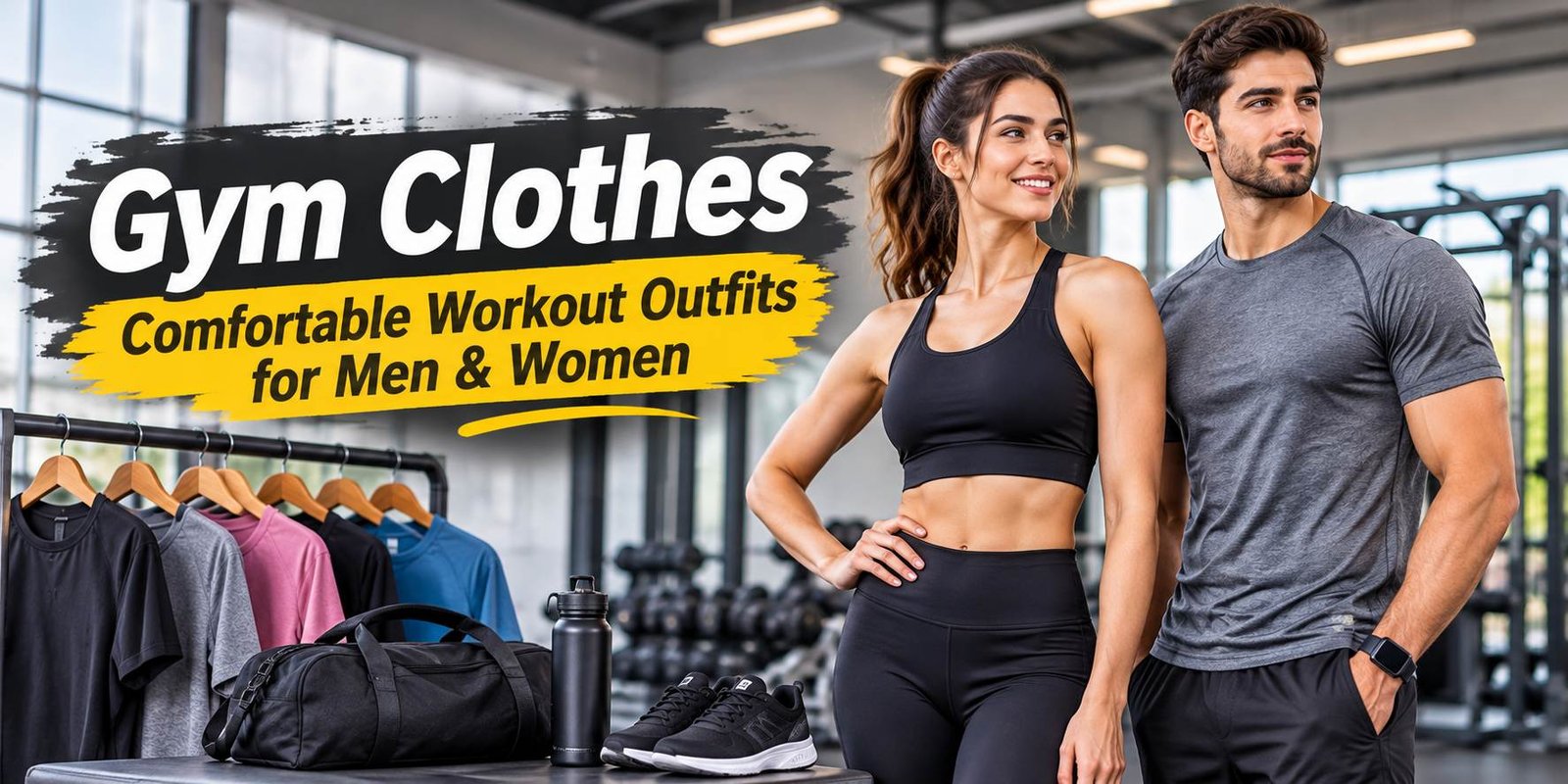
Gym Clothes: How to Choose Comfortable Workout Outfits
Gym Clothes play an important role in making workouts comfortable, practical, and enjoyable. The right workout outfit should allow you to move freely, manage sweat, and feel comfortable throughout your training session. Whether you prefer leggings and a sports bra, athletic shorts and a T-shirt, or relaxed joggers, your clothing should match the activity you plan to do.
However, choosing workout clothing involves more than picking a color or following a trend. Fabric, fit, support, breathability, and durability all matter. A running outfit may have different requirements from clothing for weightlifting, yoga, or a general gym session.
This guide explains how to choose workout outfits for different activities, compares common fabrics, and covers practical styling, sizing, shopping, and care tips. The goal is to help you build an activewear wardrobe that works for your routine and personal style.
What Are Gym Clothes?
Gym clothes are garments designed for exercise, sports, and physical activities. They include tops, leggings, shorts, sports bras, joggers, training pants, and lightweight outerwear.
Unlike many everyday outfits, workout clothing needs to support movement. Depending on the activity, it may also need to manage sweat, provide coverage, offer support, or protect you from outdoor conditions.
Common examples include:
- Moisture-wicking T-shirts and tank tops
- Stretchy leggings and yoga pants
- Athletic shorts and training pants
- Supportive sports bras
- Lightweight sweatshirts and hoodies
- Breathable socks and activity-specific footwear
- Tracksuits and warm-up layers
The best outfit depends on the workout. For example, someone doing yoga may prefer flexible clothing that stretches comfortably, while a runner may prioritize lightweight fabric and reduced friction.
Why Choosing the Right Workout Clothes Matters
Comfortable clothing can make it easier to focus on exercise instead of constantly adjusting your outfit. Poorly fitting garments may slide, bunch up, rub against the skin, or restrict movement.
Here are several reasons to choose workout clothing carefully.
1. Freedom of Movement
Exercise often involves bending, stretching, reaching, squatting, and changing direction. Clothing should allow these movements without pulling tightly or becoming uncomfortable.
Stretch fabrics can be useful for activities that involve a wide range of motion. Meanwhile, relaxed athletic shirts and shorts may suit people who prefer a looser fit.
2. Sweat Management
Exercise can cause sweating, particularly during intense training or in warm environments. Moisture-wicking fabrics help move sweat away from the skin so it can spread across the material and evaporate.
This can help clothing feel less wet and clingy during a workout. However, fabric performance varies by construction, fit, and conditions.
3. Comfort and Reduced Chafing
Seams, waistbands, tags, and rough materials can rub against the skin during repeated movement. Look for smooth construction, comfortable seams, and a fit that does not create unnecessary friction.
For running and longer sessions, pay attention to areas where clothing repeatedly contacts your skin.
4. Appropriate Support and Coverage
Some activities call for additional support. Sports bras, secure waistbands, and properly fitted athletic underwear can make movement more comfortable.
The right level of support depends on the activity and personal needs. A garment should feel secure without causing pain, restricted breathing, or uncomfortable pressure.
5. Confidence and Personal Style
Workout clothing can also reflect your personal taste. Some people prefer simple neutral outfits, while others enjoy bright colors, matching sets, and bold designs.
You do not need an expensive wardrobe to look put together. A few comfortable pieces in colors that coordinate well can create several useful combinations.
Types of Gym Clothes for Women
Women’s activewear includes many options for different workouts, body preferences, and style choices. The most useful pieces are usually comfortable, easy to combine, and suitable for the activities you do regularly.
Sports Bras
A sports bra is designed to provide support during physical activity. The level of support you need depends on the type of exercise, personal comfort, and individual fit.
Common styles include:
- Low-support bras: Often suitable for gentle yoga, stretching, and low-impact activities.
- Medium-support bras: May work well for cycling, strength training, and some fitness classes.
- High-support bras: Designed for activities involving more movement, such as running and jumping.
Check the band, straps, cups, and overall construction. The band should feel secure without digging into your skin, and the garment should not restrict comfortable breathing.
Gym Leggings
Leggings are a popular choice because they provide coverage and flexibility. They are available in different lengths, rises, fabrics, and compression levels.
Consider these details before buying:
- High-rise waistbands: Provide more coverage around the waist.
- Mid-rise designs: Offer a different waistband position for personal preference.
- Full-length leggings: Cover the legs down to the ankles.
- Capri leggings: End between the knee and ankle.
- Compression styles: Provide a closer, more supportive feel.
For strength training, check whether the waistband stays in place during squats and lunges. Also, make sure the fabric provides the coverage you want when stretched.
Workout Shorts
Shorts can be useful for indoor training, warm weather, running, and high-energy classes.
Popular options include fitted cycling shorts, loose athletic shorts, and running shorts with built-in liners. Choose a length and design that allows comfortable movement without excessive riding up.
If you prefer pockets, check their placement and security before purchasing.
Tank Tops and Workout Shirts
Tank tops allow more airflow around the arms and shoulders. Short-sleeve athletic shirts offer additional coverage, while long-sleeve tops can work for cooler environments.
Look for lightweight fabrics and comfortable armholes. A shirt should not pull across your shoulders when you lift your arms or reach overhead.
Joggers and Training Pants
Joggers are useful for warm-ups, cool-downs, outdoor walks, and casual gym outfits. Many designs have elastic waistbands and tapered legs.
Choose a fabric weight that suits the temperature. Heavy joggers may feel uncomfortable during intense exercise in a warm gym, while lightweight versions can be useful for layering.
Types of Gym Clothes for Men
Men’s workout clothing includes athletic shirts, shorts, joggers, compression garments, and training layers. The best combination depends on comfort, movement, and the activity.
Athletic T-Shirts
A lightweight athletic T-shirt is a practical starting point for many workouts. Look for breathable fabric, comfortable sleeves, and enough room across the chest and shoulders.
A relaxed fit may suit weight training or general gym sessions. A closer fit can work for people who prefer less loose fabric during exercise.
Workout Shorts
Training shorts are available in different lengths and fits. Some include stretch panels, zippered pockets, or built-in liners.
For weightlifting, choose a length that allows unrestricted movement during squats and lunges. For running, lightweight shorts may feel more comfortable.
Compression Shirts and Leggings
Compression garments fit closely against the body. Some people like the secure feel during training, while others prefer relaxed clothing.
Compression clothing should not cause numbness, pain, or restricted movement. It is a personal clothing preference, not a requirement for an effective workout.
Joggers and Sweatpants
Joggers and sweatpants are useful for warm-ups, outdoor training, and casual wear. Tapered designs can keep excess fabric away from the ankles, while relaxed styles provide a looser feel.
Check the waistband and cuffs to make sure they stay comfortable during movement.
Hoodies and Training Jackets
Lightweight hoodies and jackets can help during warm-ups or when traveling to and from the gym. For intense exercise, choose layers that you can remove easily as your body warms up.
Best Fabrics for Gym Clothes
Fabric affects how workout clothing feels, stretches, dries, and holds its shape. Reading the material label can help you understand what you are buying.
| Fabric | Common qualities | Possible uses |
|---|---|---|
| Polyester | Lightweight, durable, often quick-drying | Shirts, shorts, leggings |
| Nylon | Smooth feel, flexible, abrasion-resistant | Leggings, sports bras, shorts |
| Spandex or elastane | Adds stretch and flexibility | Compression clothing, fitted tops |
| Cotton | Soft and familiar, absorbs moisture | Light activity and casual wear |
| Merino wool | Can manage moisture and temperature | Some outdoor and performance layers |
| Fabric blends | Combine properties of different fibers | Everyday activewear |
Polyester
Polyester is widely used in athletic clothing because it is lightweight and can be designed to move moisture away from the skin. It is common in workout shirts, shorts, and leggings.
However, not every polyester garment has the same performance. Fabric weight, knit structure, ventilation, and garment design also affect comfort.
Nylon
Nylon often has a smooth feel and works well in stretch fabrics. It is common in leggings, sports bras, and fitted athletic clothing.
Some nylon blends feel soft against the skin, while others provide a firmer or more compressive fit.
Spandex and Elastane
Spandex, also called elastane, adds stretch to clothing. It is often blended with polyester or nylon to help garments move with the body.
The percentage of stretch fiber can affect how a garment feels, but construction and fit matter too.
Cotton
Cotton is soft and comfortable for everyday use. However, it absorbs sweat and can stay damp during intense exercise.
For workouts that cause heavy sweating, a quick-drying fabric may be more practical. Cotton can still be comfortable for gentle activity or casual wear, depending on the environment and personal preference.
Fabric Blends
Many garments combine fibers to balance softness, stretch, durability, and moisture management. For example, a polyester-spandex blend may provide flexibility while retaining a lightweight feel.
Always check the garment label instead of assuming that a fabric name guarantees a particular performance.
How to Choose Gym Clothes for Different Workouts
Different activities place different demands on clothing. A useful activewear wardrobe should match the movement, temperature, and comfort needs of your routine.
Gym Clothes for Weight Training
Strength training involves squats, presses, lunges, pulls, and other movements. Choose garments that stay in place and allow a full range of motion.
Useful options include:
- Stretch leggings or training shorts
- Athletic T-shirts or tank tops
- Supportive sports bras
- Comfortable socks
- Stable training shoes suited to your exercises
Avoid overly loose fabric that may catch on equipment. At the same time, clothing should not feel so tight that it restricts movement.
Gym Clothes for Running
Running involves repeated movement and can create friction over time. Lightweight, breathable clothing can help you stay comfortable.
Consider:
- Moisture-wicking tops
- Running shorts or leggings
- Supportive sports bras when needed
- Socks designed for athletic use
- Running shoes suited to your running style
For outdoor runs, think about temperature, wind, rain, and visibility. Reflective details can be useful when running in low-light conditions.
Gym Clothes for Yoga and Pilates
Yoga and Pilates involve stretching, balance, and controlled movement. Clothing should move with the body and remain comfortable in different positions.
Good options include:
- Flexible leggings
- Stretchy fitted tops
- Comfortable sports bras
- Lightweight layers for warm-ups
Avoid garments that shift too much or require constant adjustment during poses.
Gym Clothes for Cycling
Cycling clothing depends on whether you ride indoors or outdoors. Indoor cycling may call for breathable tops and fitted shorts, while outdoor cycling can require additional layers and activity-specific garments.
For longer rides, look for designs that reduce friction and remain comfortable while seated.
Gym Clothes for HIIT and Fitness Classes
High-intensity interval training often includes jumping, quick direction changes, and repeated transitions between exercises.
Choose clothing that stays secure and allows movement. Breathable tops, supportive sports bras, and flexible shorts or leggings can be practical options.
How to Find the Right Fit
The right fit should feel comfortable before, during, and after movement. Sizing labels are useful starting points, but they do not tell the whole story.
Check the Waistband
Leggings and shorts should stay in place without digging into your waist. Try bending, squatting, and walking to see whether the waistband rolls or slips.
Test the Range of Motion
Raise your arms, bend your knees, stretch, and sit down. The garment should move with you without pulling uncomfortably.
Check Coverage
For fitted leggings and shorts, make sure the material provides the coverage you expect when stretched. Good lighting and movement tests can help you assess this before removing tags.
Choose a Comfortable Compression Level
Some activewear is designed to feel close to the body. However, compression should not create pain, tingling, numbness, or breathing discomfort.
Consider Your Personal Preferences
Some people prefer relaxed clothing, while others like fitted outfits. Neither choice is automatically better. The most useful option is the one that suits your activity and feels comfortable.
Gym Clothes Outfit Ideas
Workout clothing can be practical and stylish at the same time. You can create several outfits with a small collection of versatile pieces.
Matching Activewear Sets
A matching top and leggings or shorts can create a coordinated appearance. Neutral shades such as black, gray, and navy are easy to combine with other pieces.
Oversized T-Shirt and Leggings
An oversized T-shirt paired with fitted leggings creates a relaxed outfit. This combination can work for strength training, walking, and casual gym sessions.
Sports Bra and High-Waisted Leggings
For people who prefer a fitted workout outfit, a supportive sports bra and high-waisted leggings can create a simple combination. Add a lightweight zip-up jacket for travel or warm-ups.
Athletic Shorts and a Performance Tee
Shorts and a breathable shirt are a practical option for warm weather and many indoor workouts. Choose a length and fit that allow comfortable movement.
Joggers and a Hoodie
Joggers with a hoodie create a casual athletic look. This combination is useful for warm-ups, cool-downs, and traveling to the gym.
Neutral Gym Outfits
Black, white, gray, beige, and navy can create a simple activewear wardrobe. You can also add one brighter item, such as a colored shirt or jacket, to make the outfit more distinctive.
What to Look for When Buying Gym Clothes Online
Shopping online offers many choices, but it can be difficult to judge fabric and fit from photographs alone.
Use these checks before placing an order.
- Read the material details: Look at the fiber composition and care instructions.
- Check the size chart: Compare your measurements with the retailer’s guide.
- Read fit descriptions: Look for terms such as relaxed, slim, compression, or oversized.
- Review product photographs: Check waistbands, seams, pockets, and garment length.
- Understand the return policy: Confirm whether worn, washed, or sale items can be returned.
- Compare prices: Look at the full product details rather than choosing only by the lowest price.
- Check seller reliability: Buy from a retailer with clear contact details and a transparent returns process.
If possible, read customer feedback for recurring comments about sizing, transparency, fabric thickness, or durability. Treat individual reviews as personal experiences rather than guarantees.
How to Build a Basic Gym Wardrobe
You do not need dozens of outfits to start exercising. A small collection of versatile pieces can cover many activities.
A simple starter wardrobe might include:
- Two or three athletic T-shirts or tank tops
- Two pairs of workout shorts or leggings
- One or two sports bras, depending on personal needs
- One pair of joggers or training pants
- A lightweight hoodie or jacket
- Several pairs of comfortable athletic socks
- Footwear appropriate for your main activity
Choose colors that coordinate easily. This makes it simpler to create different combinations without buying unnecessary items.
As your routine develops, you can add specialized clothing for running, cycling, yoga, outdoor training, or other activities.
Common Gym Clothing Mistakes to Avoid
A few shopping and styling mistakes can make workout clothing less comfortable.
Choosing Style Over Comfort
A trendy outfit may look attractive but still feel uncomfortable during exercise. Check the fit, fabric, and movement before deciding.
Wearing the Wrong Fabric for the Workout
A thick cotton shirt may feel fine for a gentle session but become heavy during intense training. Consider how much you expect to sweat and choose accordingly.
Buying the Wrong Size
Clothing that is too tight can restrict movement, while oversized garments may shift or interfere with certain exercises. Use size charts and test the fit.
Ignoring Sports Bra Support
A sports bra should suit both your body and your activity. An unsuitable level of support may make exercise uncomfortable.
Wearing Worn-Out Clothing
Repeated washing and use can affect fabric stretch, seams, waistbands, and elastic. Replace garments when they no longer fit or perform comfortably.
Forgetting Weather Conditions
Outdoor exercise may require extra layers, rain protection, reflective details, or sun coverage. Plan clothing around the environment rather than relying on one outfit throughout the year.
How to Wash and Care for Activewear
Proper care can help workout clothing maintain its shape and feel.
- Follow the care label for washing temperature and drying instructions.
- Turn garments inside out when appropriate.
- Avoid excessive heat if the fabric instructions recommend low-temperature drying.
- Use a suitable detergent and avoid overloading the washing machine.
- Allow damp clothing to dry promptly rather than leaving it in a gym bag.
- Store clean, fully dry garments in a ventilated space.
Some activewear fabrics can be sensitive to fabric softeners or high heat. Always follow the manufacturer’s instructions for the specific garment.
Frequently Asked Questions About Gym Clothes
1. What should I wear to the gym for the first time?
Start with a comfortable athletic T-shirt or tank top, shorts or leggings, suitable socks, and footwear appropriate for your planned activity. Choose clothes that allow you to move freely.
2. What fabric is best for workout clothes?
Polyester and nylon blends are common choices because they can be lightweight, flexible, and designed for moisture management. The best fabric depends on the activity, weather, and personal comfort.
3. Are cotton clothes good for the gym?
Cotton can work for gentle exercise and casual activity. However, it absorbs sweat and may stay damp during intense workouts. Quick-drying fabrics may feel more comfortable when you sweat heavily.
4. Should gym clothes be tight or loose?
Neither fit is best for everyone. Fitted clothing may suit running, cycling, or yoga, while relaxed clothing can work for walking and some strength workouts. Choose a fit that allows movement without causing discomfort.
5. How many gym outfits should a beginner have?
A beginner can start with a few tops, two or three bottoms, suitable undergarments, socks, and activity-appropriate shoes. Add more pieces as your routine and laundry schedule require.
6. What should women wear to the gym?
Women may choose leggings or shorts, a supportive sports bra, and a comfortable top. The best combination depends on the workout, preferred coverage, and personal fit.
7. What should men wear to the gym?
Men commonly wear athletic T-shirts, training shorts, joggers, or compression garments. Choose breathable materials and a fit that does not interfere with movement.
8. How often should gym clothes be washed?
Wash workout garments after use, especially when they become sweaty. Follow the care label and let clothing dry fully before storing it.
Final Thoughts
The best Gym Clothes are the ones that suit your activity, fit comfortably, and support your personal style. You do not need an expensive collection to build a useful workout wardrobe. Start with a few versatile pieces, pay attention to fabric and fit, and add specialized garments when your routine requires them.
For intense workouts, moisture-wicking materials and comfortable construction can make a noticeable difference. For yoga, strength training, running, and outdoor exercise, choose clothing that matches the movements and conditions involved.
Most importantly, do not let trends or brand names make the decision for you. Prioritize comfort, appropriate support, practical features, and garments you will enjoy wearing regularly.





One Comment